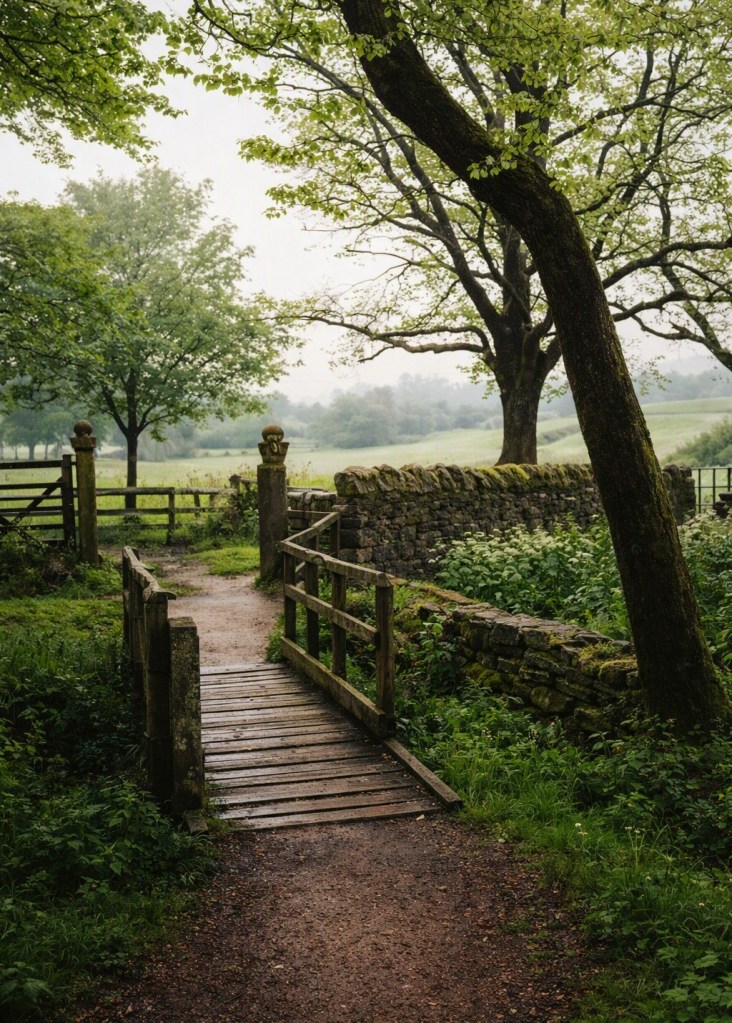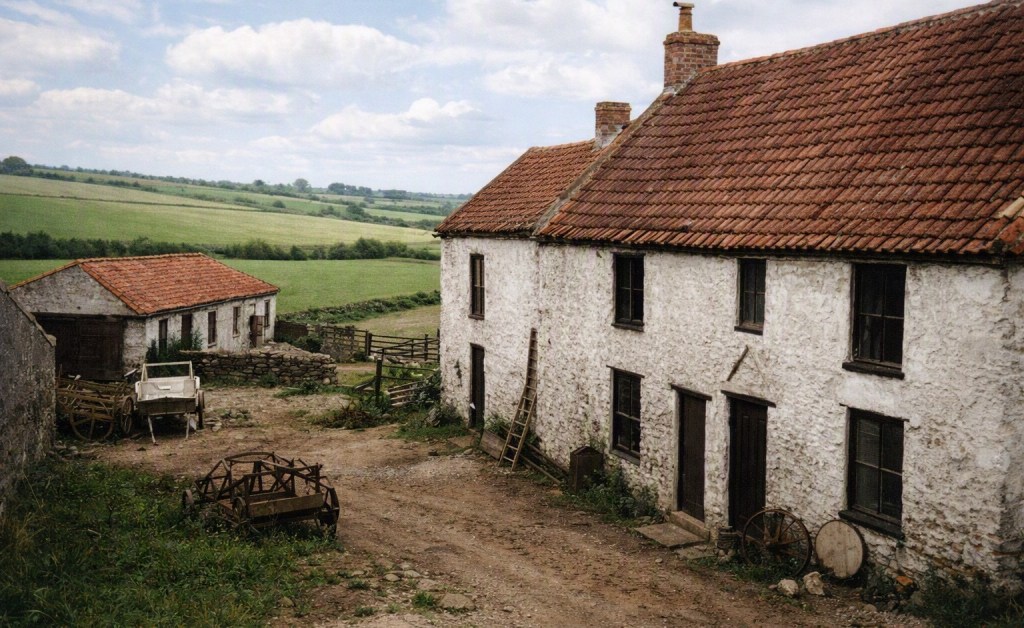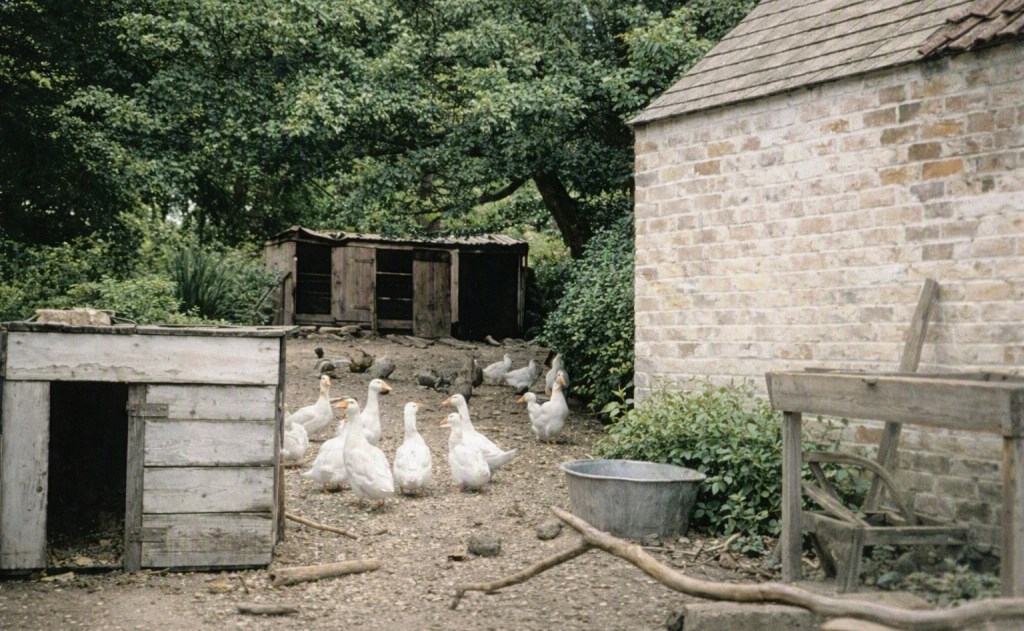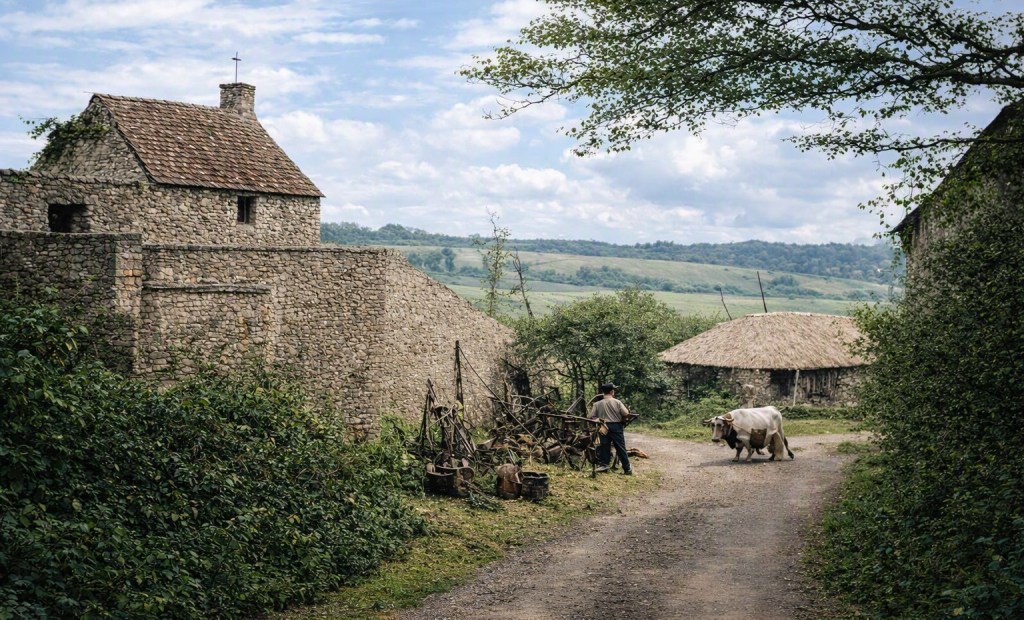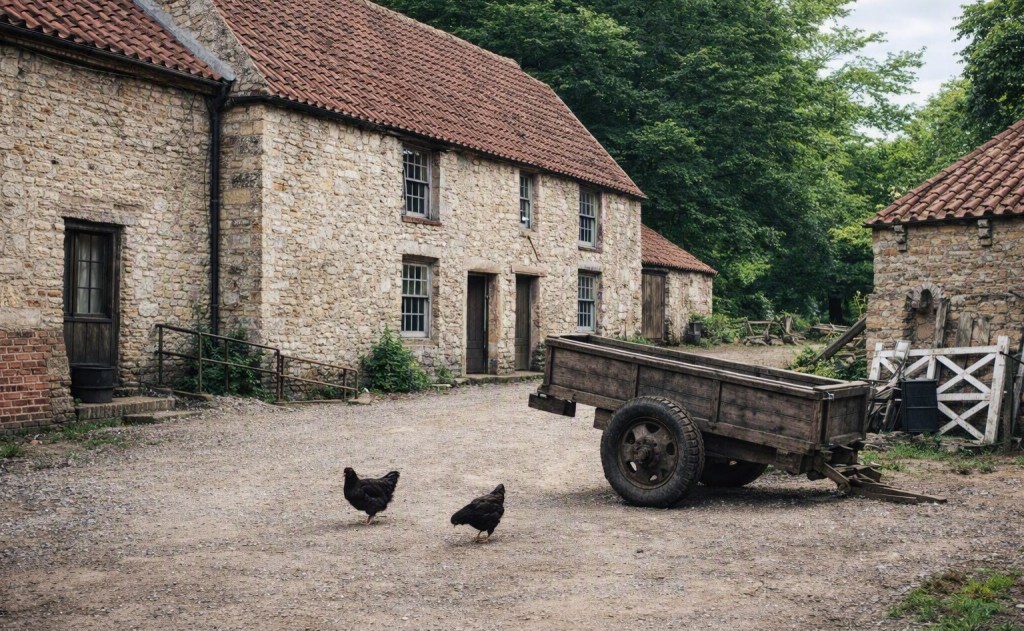
Restored image using AI technology.
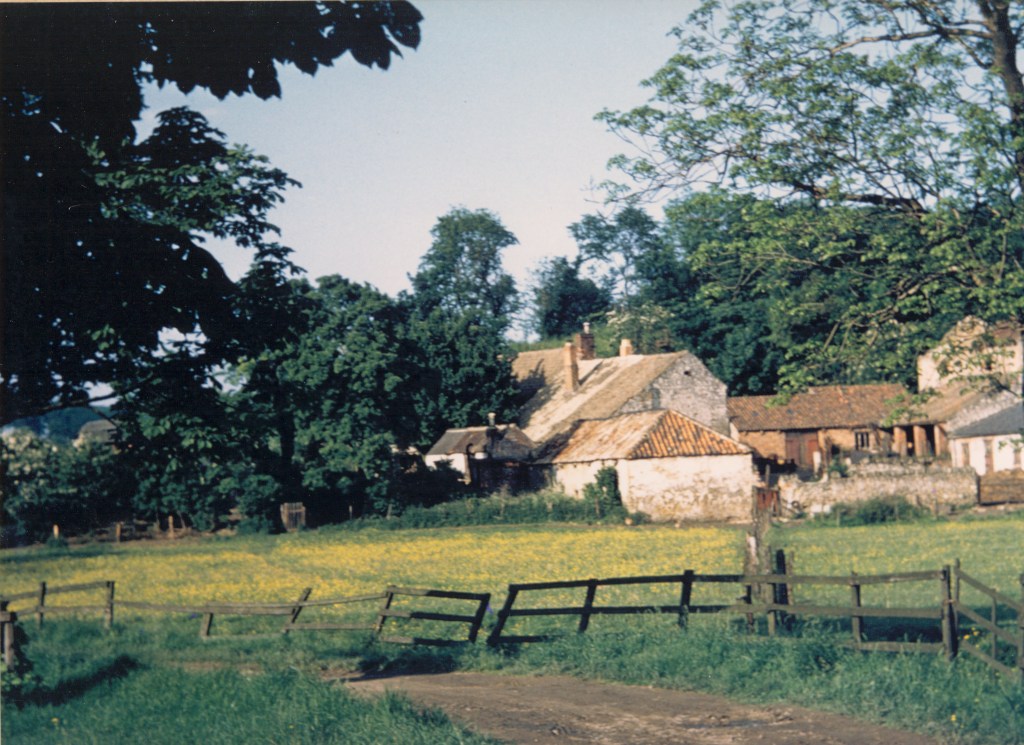
Coxhoe Mill Farm (originally operating primarily as a water-powered corn mill and farm) holds a long-standing history that predates the 19th-century industrial boom of the village. Located in the valley below the historic and long since demolished Coxhoe Hall alongside the Coxhoe Beck, its timeline reflects the shifting landscape of County Durham from rural medieval agriculture to a bustling mining hub, before ultimately disappearing from the landscape
Medieval Origins
A water corn mill existed at Coxhoe from as early as 1234. In a charter held by the Prior and monks of Finchale Priory. Walter-de-Audre and his heirs gave the whole of the mill to Finchale Priory. At a later date the mill passed into ownership of the Lords of Coxhoe Manor
The roots of the mill date back to the medieval period. Land records from the Blakiston family indicate that by 1418, the local manor house and water mill were described as “ruinous”. Following the death of Thomas Blakiston in 1484, an official inquisition noted that the water-mill had become the property of the Prior of Finchale. The mill relied on a custom mill race connected to the Coxhoe Beck to turn its wheels.
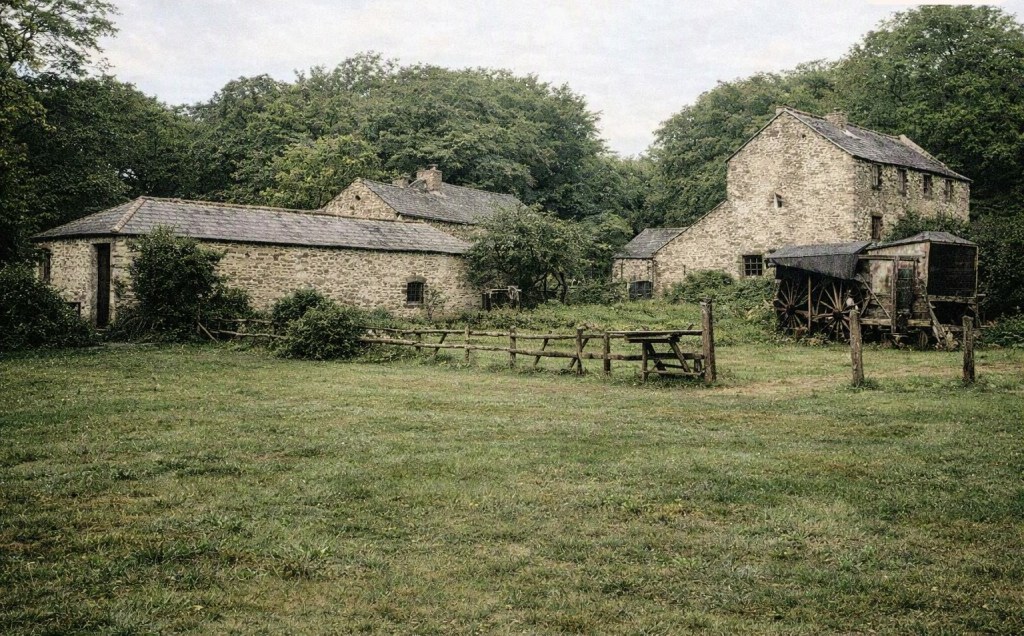
Early records give us information about the ownership of the mill:
In about 1247, Walter de Audre grants the Mill to Finchale Abbey in exchange for free alms – a monk would pray for his and his wife’s soul and feed 100 poor each year on his anniversary.
Accounts of repairs and rents recorded at Finchale Priory between 1360-1535, suggesting they had it until Henry VIII’s dissolution when it passed to the lords of Coxhoe Manor.
1418 The Mill is the property of the Blakistons, is reported as being ruinous.
1676 John Kennett owner of Coxhoe Manor leaves the Mill to his wife Troath.
1787 James Riddle Baronet owner of Coxhoe Manor rented it to a tenant.
1798 J Foster Esq, owner of Coxhoe Manor rented it to a tenant.
1826 Anthony Wilkinson owner of Coxhoe Manor rented to tenant
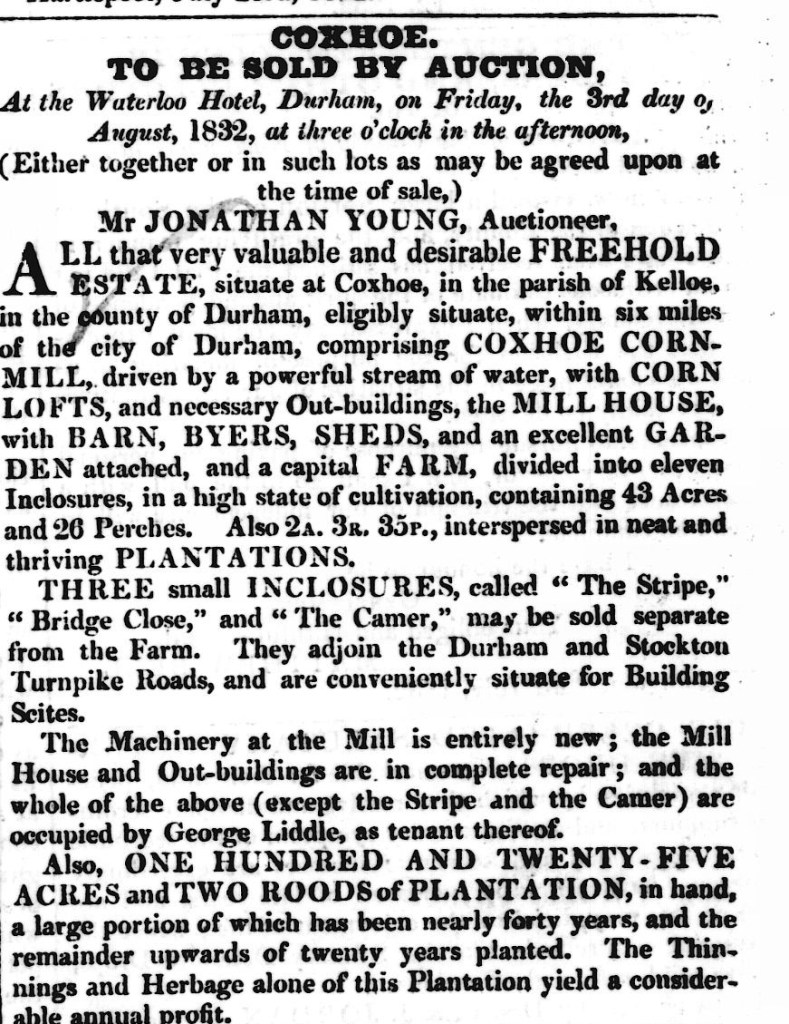
1832 The Newcastle Courant advertises an auction
‘Coxhoe Corn Mill driven by a powerful stream of water, with cornlofts and necessary outbuildings; the Mill House, with barn, byre, sheds and excellent garden attached; and Capital farm, divided into eleven inclosures in a high state of cultivation’
1837 Bradyll& Co rented it to a tenant
1854 East Hetton Colliery rented it to a tenant
1881 It is in the hands of Thomas Wood of Coxhoe Hall.
The 19th / 20th Century Workers
As the centuries progressed, the mill remained a focal point of local agriculture.
Names of Coxhoe Millers
1828 Thomas Bell 1881 Robert Whitfield
1856 John Moon 1890 Simon Croft
1858 Samuel Fisher 1894 Joseph Willis
1864 George Corry & Son 1906 George Turnbull
- Local Culture & Community Life
- By the late 19th and early 20th centuries, the land surrounding the farm became a hub for community leisure.
- Coxhoe Cricket Club: Formed in 1895, the local cricket team originally played its matches in a field directly adjacent to the Mill farm.
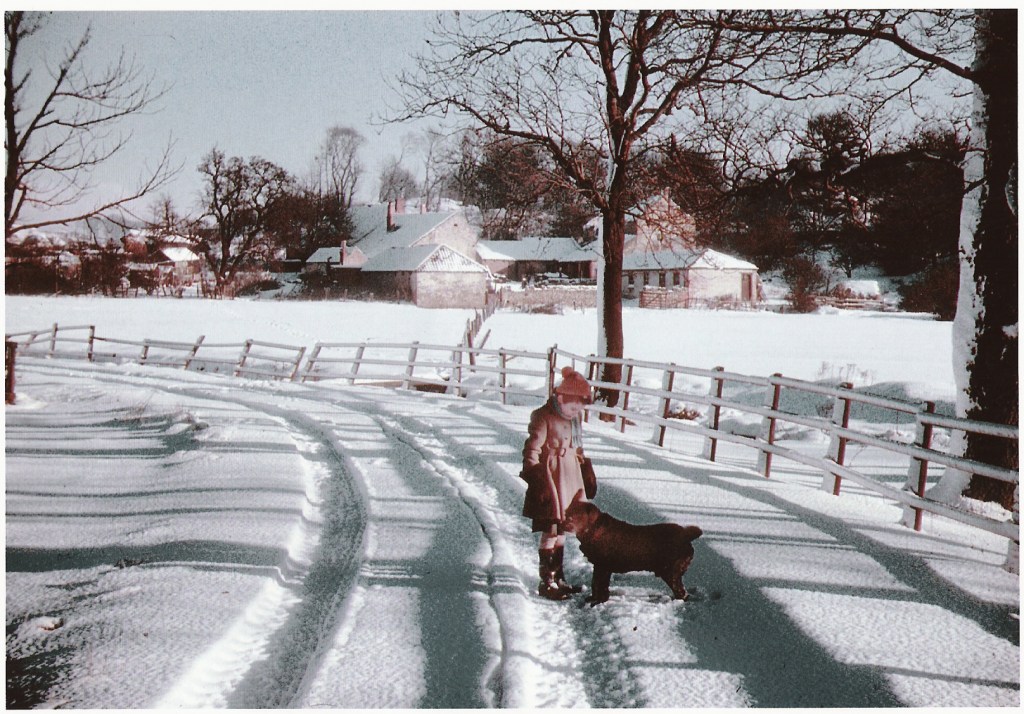
- Winter Socials: Because the cricket field sat low in the valley near the beck, it frequently flooded and froze over during the winter months. The area became a famous destination for moonlight ice skating parties, where locals set up braziers and handed out roast potatoes to keep warm.
- The Sunday Walk: The road leading past Coxhoe Bridge Station to Coxhoe Mill Farm and around Coxhoe Hall was one of the most popular Sunday evening walking routes for villagers, renowned for its scenic banks filled with wildlife.
- Demolition and Present Day
Like many early landmarks in the area, Coxhoe Mill Farm eventually succumbed to 20th-century landscape changes. Once the farm was redundant an access road into the Raisby Quarry was constructed which took vehicles via a bridge over the East Hetton Colliery mineral railway line which lay adjacent to the farm.
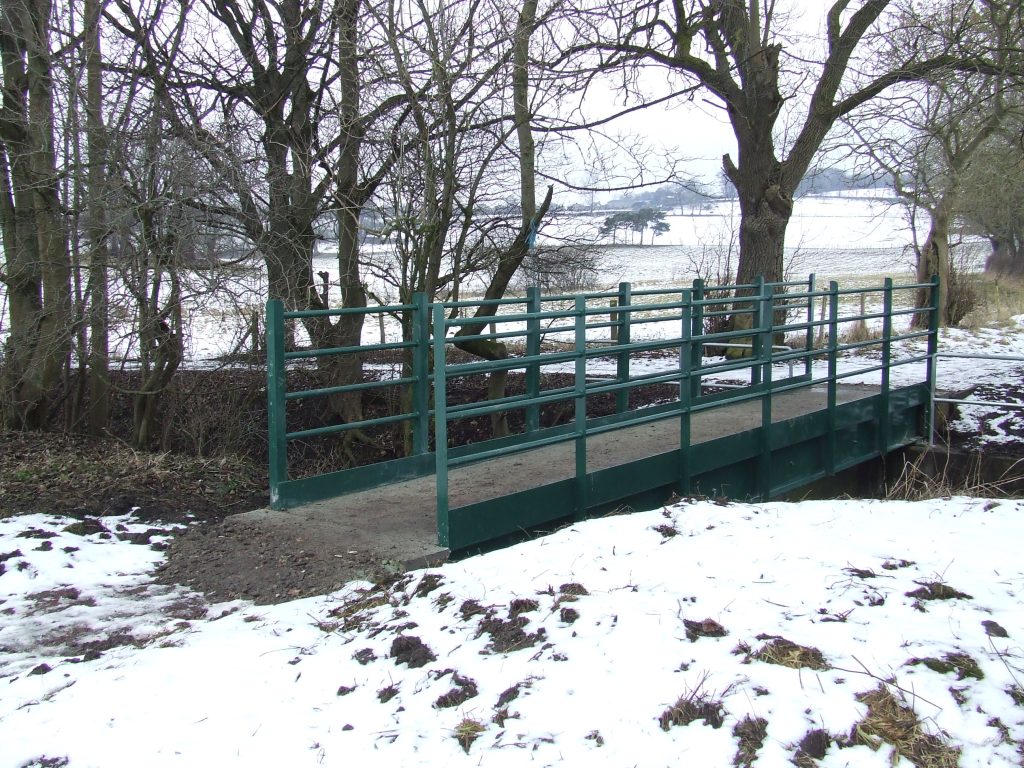
Today there are no buildings to be seen but the clues are still there if you know where to look. The Mill pond still exists but is now largely hidden by reeds and bullrushes. The outline of the mill race is still visible in the wooded area that leads up to the old railway line track bed. A footpath that leads through the field where the pond is situated skirts a small wooded area where rubble can be seen in the trees. This is believed to have been the site of the mill building and it is alleged that the mill wheel was buried beneath the rubble during the construction of the rod bridge.
FAMILIES WHO LIVED AT COXHOE MILL
The Bell Family (The Farmers)
Thomas Bell: Land and business directory records from 1828 list Thomas Bell as the primary tenant farmer managing the agricultural side of Coxhoe Mill. He operated the site just before the massive industrial surge brought on by local coal mining.
The Hopper Family (The Farm Labourers)
George Hopper: In the 1861 UK Census, George Hopper is officially registered living and working at the site as the Farm Hind (a skilled agricultural worker or foreman who looked after the farm animals and daily labour).
The Hopper family were prominent enough in the parish that their family headstone can still be traced in the nearby St. Mary’s Churchyard.
The Barr Family (The Mill Transport)
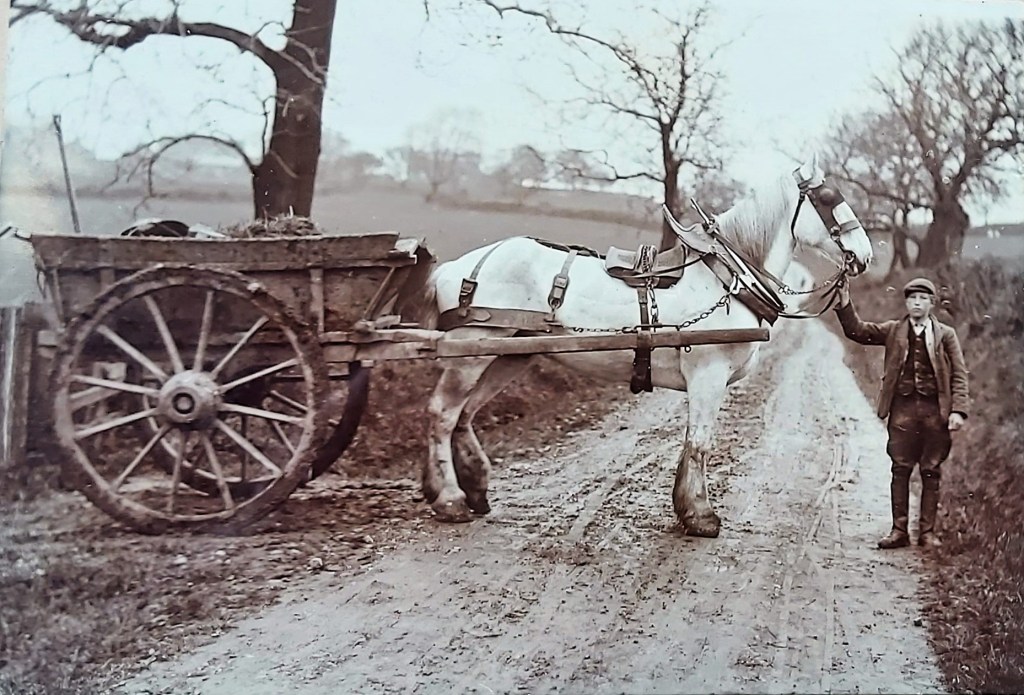
William Barr: Also identified during mid-19th-century records, William Barr lived at the site and worked as the Miller’s Cart man. His role was central to the commercial success of the mill; he drove horse-drawn carts to deliver fresh flour to local bakers and carted heavy milling sacks to the nearby Coxhoe Bridge Station for rail distribution.
The Barley Family (The Site Engineers)
Robert Barley: Working alongside the farm and transport hands, Robert Barley was the site’s Millwright. As a mechanical specialist, he was responsible for building and maintaining the waterwheels, gears, and grinding stones. Millwrights of this era typically lived directly on or immediately adjacent to the mill property to handle emergency breakdowns.
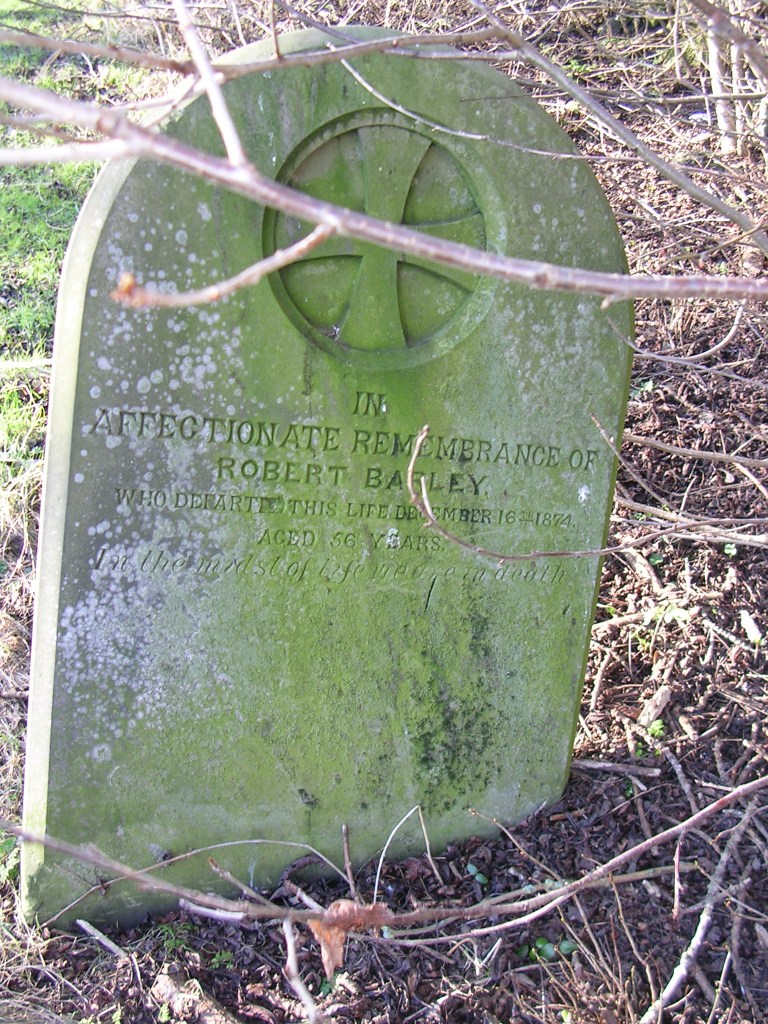
Life for agricultural workers in 19th-century Durham was physically demanding, heavily dependent on the seasons, and uniquely influenced by the local booming coal mining industry.
The Daily Routine
The routine of a farm hand or foreman (like George Hopper, the farm hind at Coxhoe Mill Farm) varied by their specific job, but it was uniformly long:
- 4:30 AM – The Early Rise: A worker’s day began well before daybreak. The first tasks involved tending to livestock—feeding, watering, and mending gear—followed by morning milking. Only after these duties were complete could they sit down at the farmhouse for a quick breakfast.
- 6:30 AM – Field or Mill Duties: Day labourers arrived at the farm to receive the day’s orders based on the weather. Depending on the season, tasks included ploughing, sowing seed, draining wet fields, or manually threshing grain. For carters like William Barr, this time was spent grooming horses and preparing wagons to transport sacks of grain and flour.
- Midday – “Dinner”: Workers took a brief, hard-earned break in the fields or barn to eat a simple packed lunch—usually bread, cheese, and sometimes cold meat or a draft of small beer.
- Sunset – Winding Down: Field labour continued until it grew too dark to see. After returning the tools, feeding the horses one last time, and securing the livestock, workers walked back to their tied estate cottages.
The Last Owners
From the late 19th century through the early 20th century, the broader estate—including the lands encompassing Coxhoe Mill Farm—belonged to the Wood family, who were notable local mining engineers. They acquired the Coxhoe Hall Estate in 1850 and managed it for nearly a century.
The sequential ownership structure for the property leading up to its nationalisation includes:
1850–1938 (The Wood Family): Mining engineer Thomas Wood purchased the estate in 1850. His descendants held and managed the land, which transitioned from agricultural prominence into an area deeply surrounded by the Durham coalfield industry through the early 1900s.
1938–1947 (East Hetton Colliery Company): The estate, including the land holdings, was purchased by the East Hetton Colliery Company in 1938. Their primary interest was exploiting the rich coal reserves lying underneath the properties. During World War II, the company’s estate buildings were requisitioned to serve as a military barracks and later a prisoner-of-war camp.
1947 (Nationalisation): On 1 March 1947, the UK coal industry was nationalised. The ownership of the entire estate, its remaining farms, and its sub-surface assets officially transferred from the East Hetton Colliery Company to the National Coal Board (NCB).
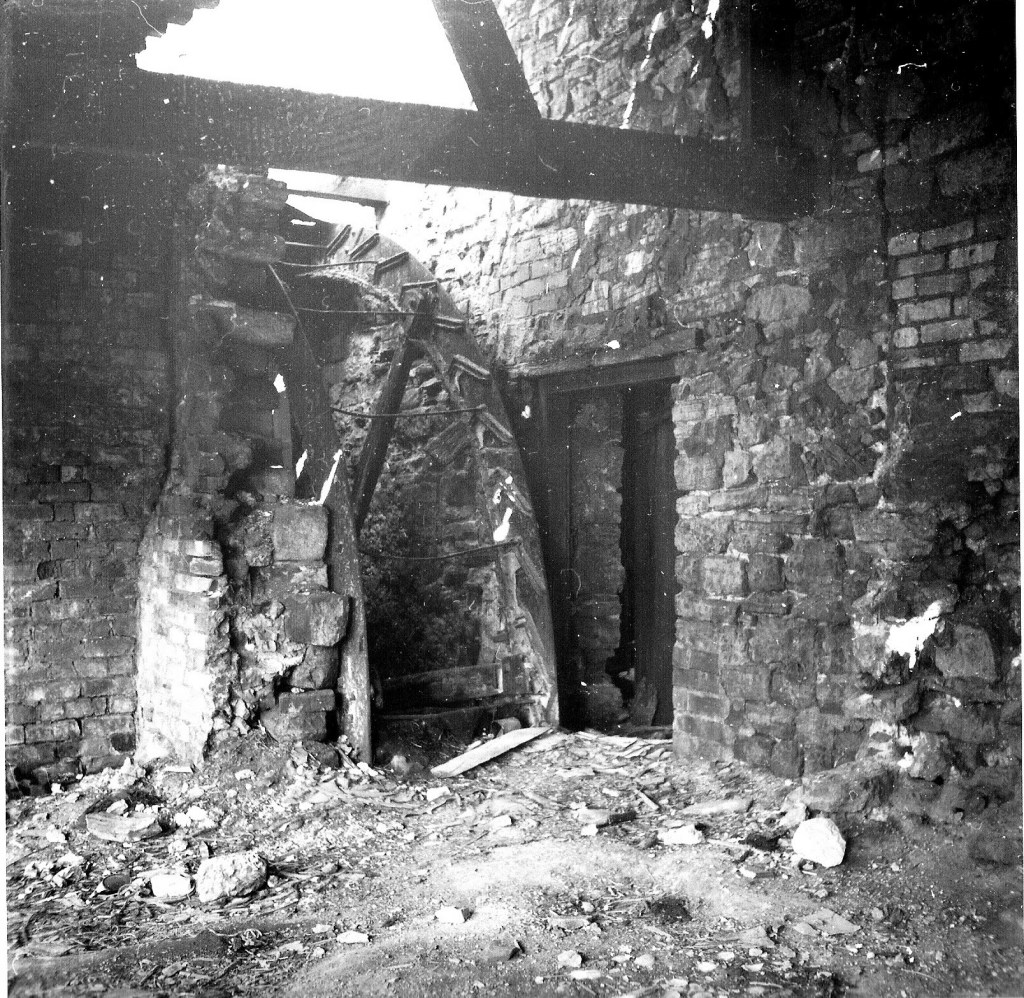
The way it was in pictures