
(Copyright Coxhoe Local History Group)
Early memories of leather on willow
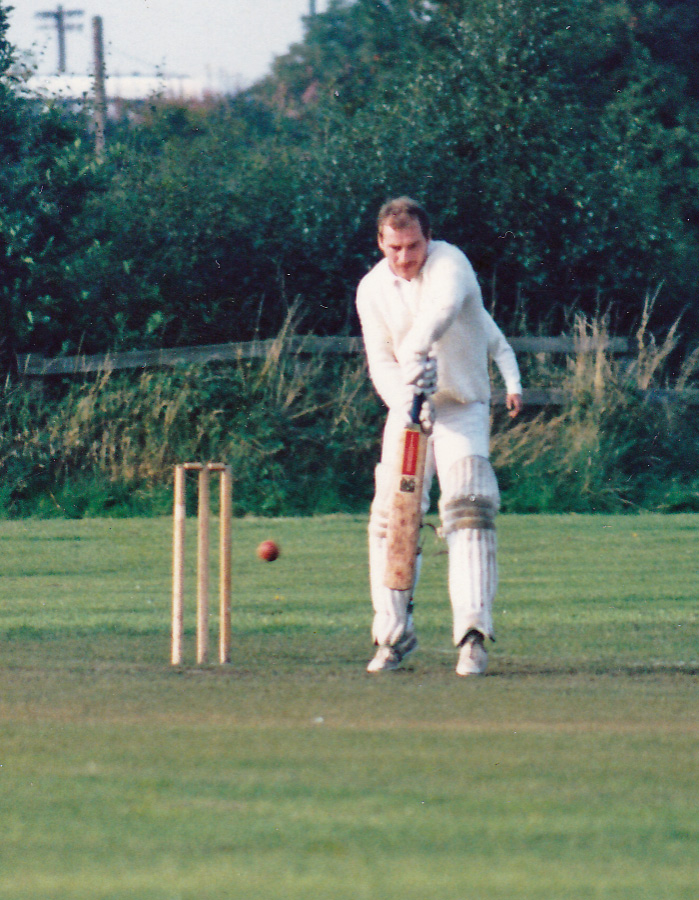
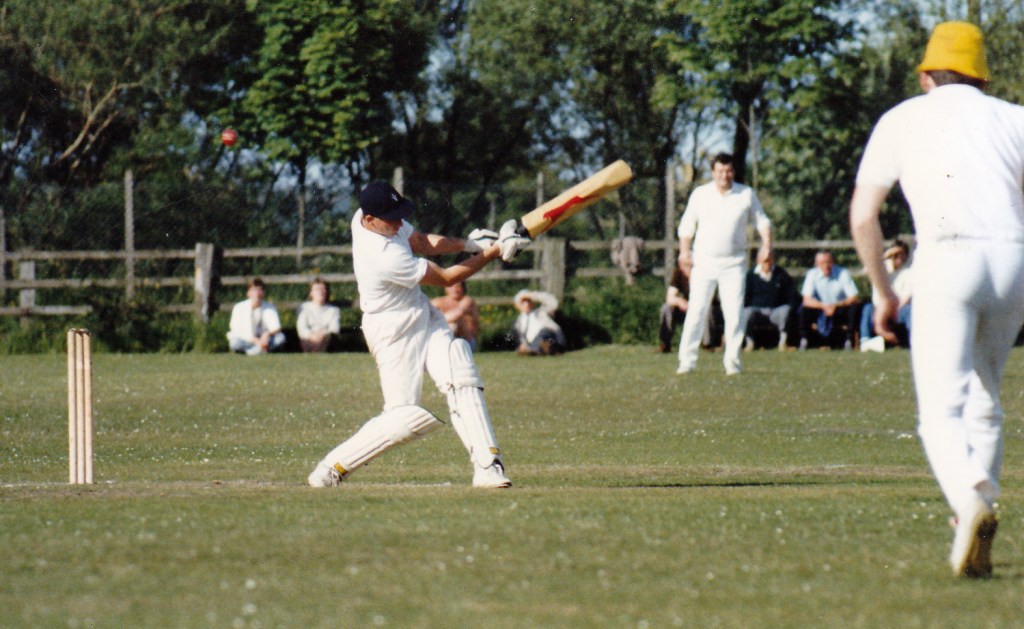
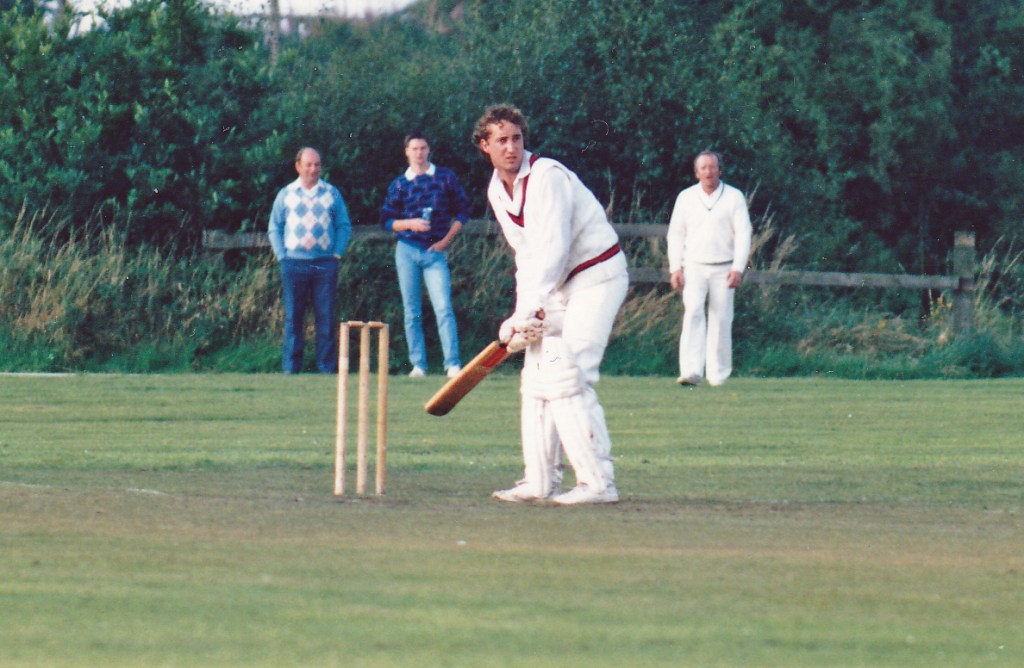
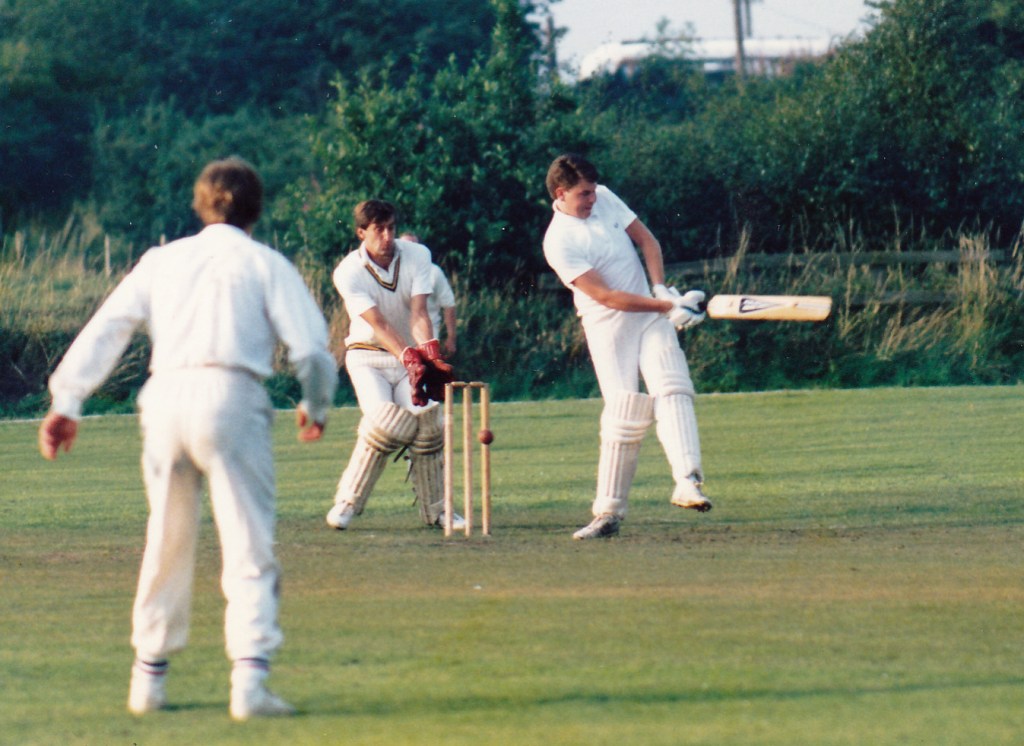
Coxhoe had a rich tradition of playing competitive cricket for over 100 years.
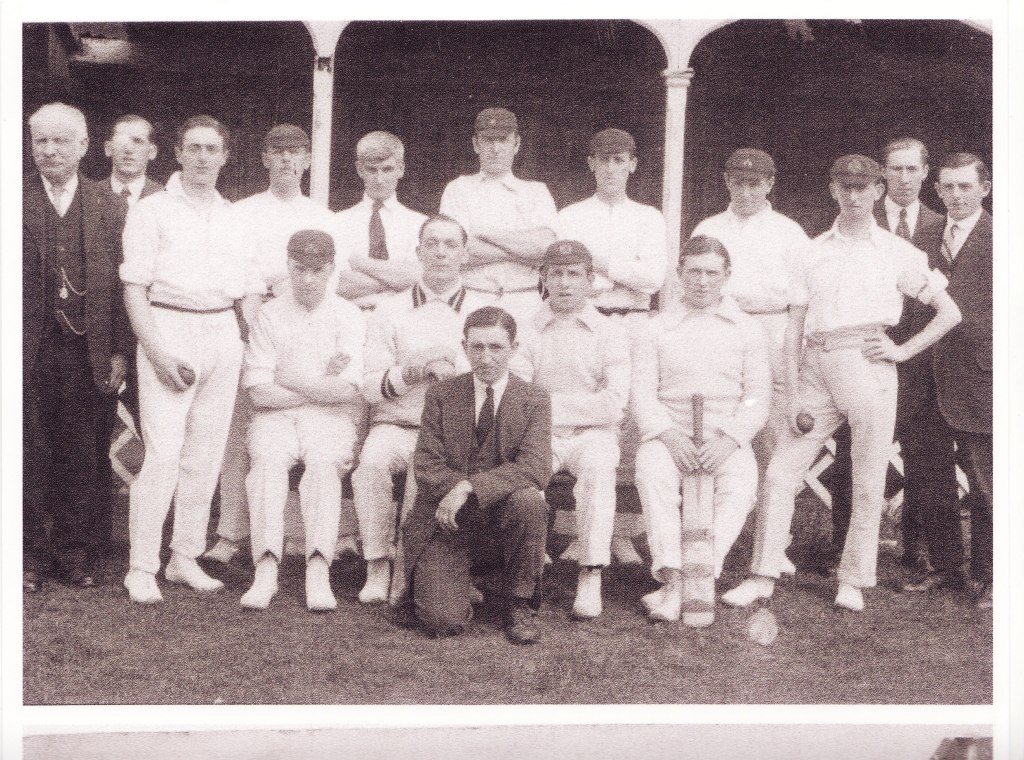
In 1889 a number of local dignitaries and businessmen got together and formed the first competitive team known as the “John Wood’s XI”
The founders were:-
John Wood JP, Mining Engineer of Coxhoe Hall.
Nicholas Gent Bell, farmer of Avenue House.
Robert Sanderson, Joiner.
Joseph Truesdale, local reporter.
Dr. William Oliver, The Lindens, Cornforth Lane.
James Pallister, Grocer.
Amongst the players in the early days were:- R. Hunt, J. White, J. McIlwain, M. Boocock, T. Weightman and J. Weightman. Others who assisted at a later date were Nicholas Mohon a local builder contractor, Charles Jackman , a plumber and Albert Brighouse, manager of Steetley Quarry.

The team played in a field adjacent to the Mill farm which was near to Coxhoe Bridge Station. The team wore blazers and the badge on the breast pocke depicted an oak tree with an arrow embedded in it and we can only presume that the initial game were of a friendly nature.
Mr William Stokoe of Bowburn played for Coxhoe occasionally when he was quite a young man as late as 1905. He remembers that they went to away games with a horse brake belonging to Mr James Laing a local farmer of Grange Farm. The hospitality at these away games was so good that sometimes they did not return until the following day. They were often pressed to stay the night with their hosts when the distances was a little more than the usual. Win or lose they always enjoyed themselves very much.
The field used for cricket was in the valley below Coxhoe Hall, and in the winter it was often flooded, being quite near Coxhoe beck which flowed to Coxhoe Mill. At times the field would be entirely frozen over and skating parties, often in moonlight, with braziers lit nearby, and roast potatoes handed around to keep participants warm.
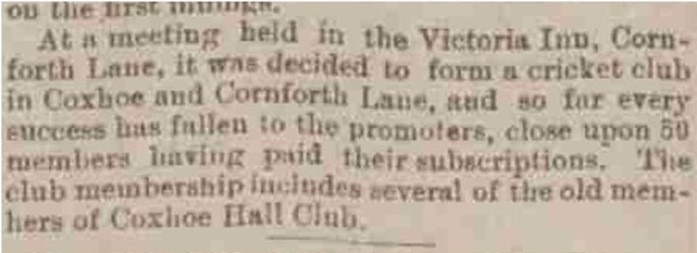
The cricket team recognised that if they were to progress as a serious club they would need better facilities and in 1908 rented a field in near Cow Close, alongside the Clarence Railway line and behind today’s Leisure Centre. It was much nearer to the village and it was at this point that they changed their name to Coxhoe C.C.

Amongst the early players were two school teachers who taught at the Church of England School. Arthur Turner and George McPherson both served and sadly lost their lives during WW1.
The cricket square was laid around the same time, 1908 and continued to be used right up until the club ceased to exist. It wasn’t a large square initially, but in 1921, during the strike it was extended to 30 yards x 30 yards, with voluntary labour. Players at that time included George Webb, Bob Wood, Albert Glendinning, John Heron, John Anderson, Bert Mohon, Frank and William Fawell amongst many others.
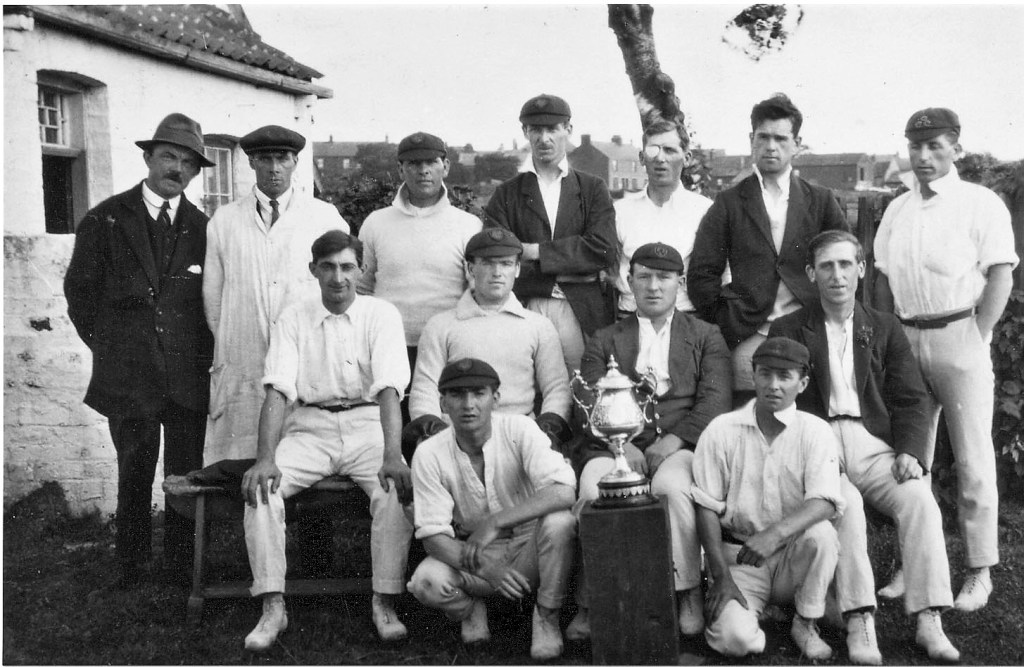
R. Harvey, J.Wright, J. Heron, T. Horniman, I. Harrod, J. Etherington, J.Sewell
A. Glendenning, J. Spence, J. Lowe, J. Harrod
R. Swinbank, H. Stone
The club had to rely on the local farmers to cut the outfield and this was only done at haytime. Big hitters were needed to score runs because at time the haycocks were still on the field drying whilst a game was in progress. Players who field in between the haycocks could only be beaten by a lofted shot.
Butcher Lowe was a terrific hitter and wasn’t happy unless he could put a ball into the brickyard pond in the next field. It was a good distance but he did it often by all accounts, much to the delight of all who took part, except of course the opposition.
The name of the club was changed again in 1921 to Coxhoe & District C.C. which brought in more players from other villages. These included Pedlar Benson, Frank Wormsley, Joe Etherington, Harry Holmes, Harry Ayton, Albert Walker, Jack Spence, Jim Sewell, Albert Brighouse, Horace Stone, Harry Wright, James Finnity, Ralph Swinbank and others mentioned previously.
They played in the old Wear Valley league for some time, and in the Hartlepools League, they won the championship of the latter in 1921.
In 1946, immediately after the War, the fortunes of the Cricket Club were at a low ebb. Bert Mohan, Club treasurer, found they had only 4d in the bank, but things improved as men returned from the war and local traders helped with donations. The late Arthur Kitchingman, who was secretary for six years, also helped the Club on its feet again.
In 1951 the club won the Championship, they defeated Willington on their own ground after a play-off for the championship, Coxhoe was 139 for 7 after 45 overs, and they only won by six runs. J Hutchinson with 49 for Coxhoe and W. Gatenby 35 were the best scorers, and for Willington, J. Bibby made a great impact, and not until he had been dismissed did Coxhoe seem to have a chance.
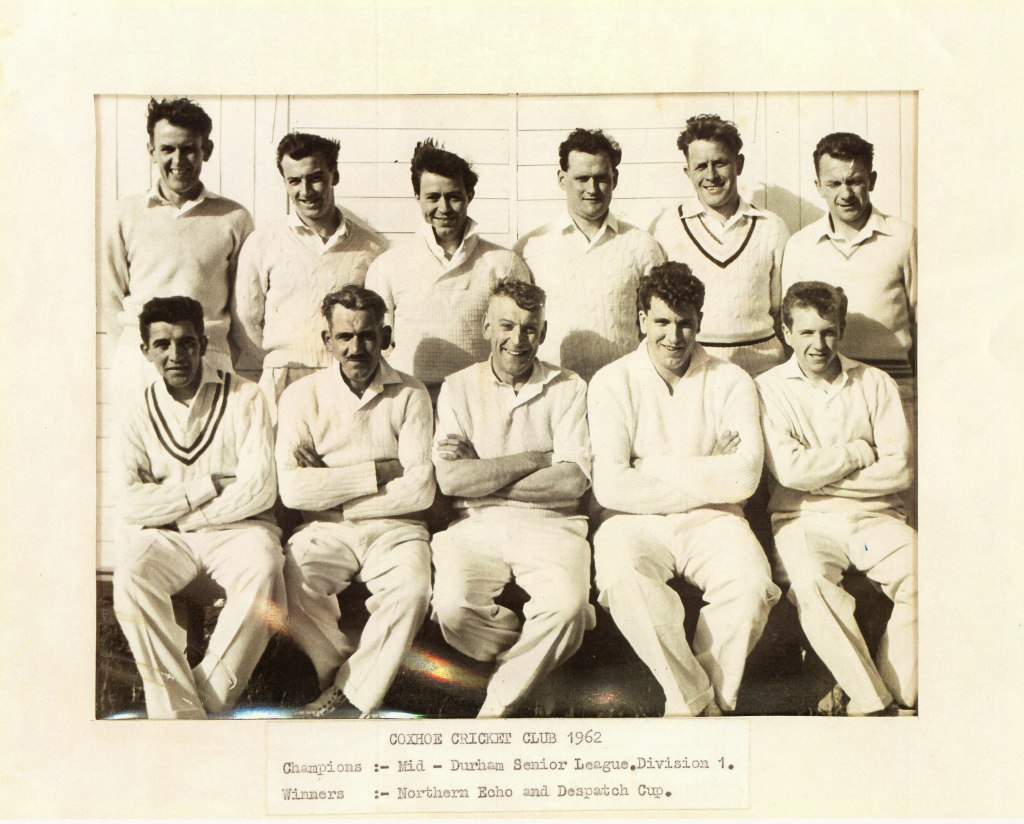
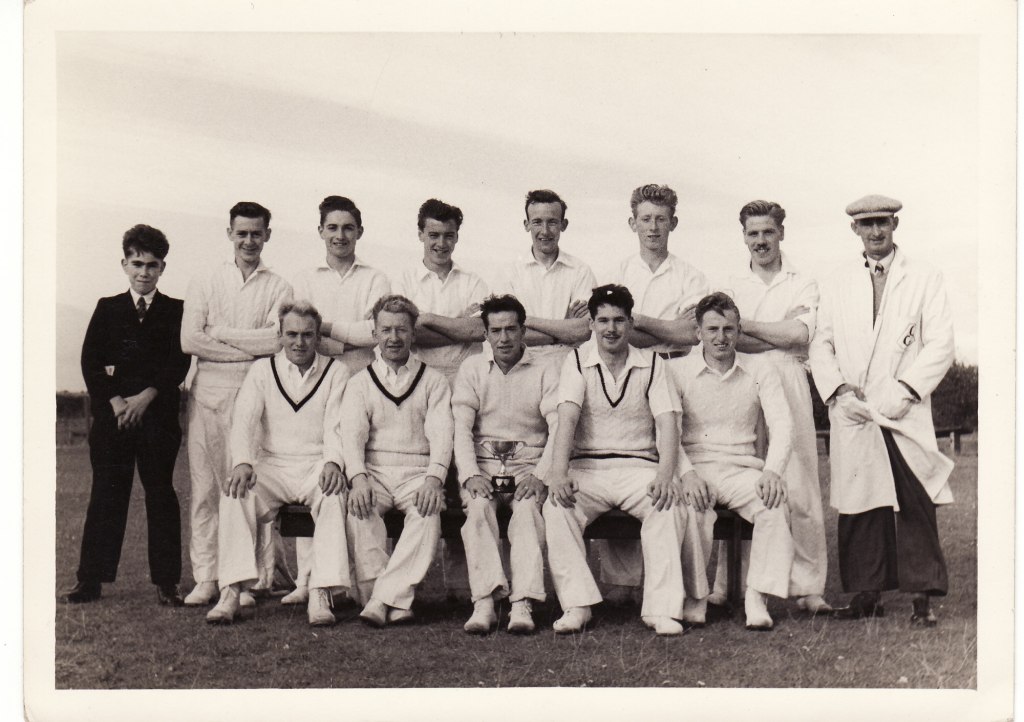
In 1952 and in 1955, they again won the Championship. Samuel Errington was the captain during this period. Later, when experienced George Allison came to play, he made a big difference, and he also helped to mentor the younger players in the club.
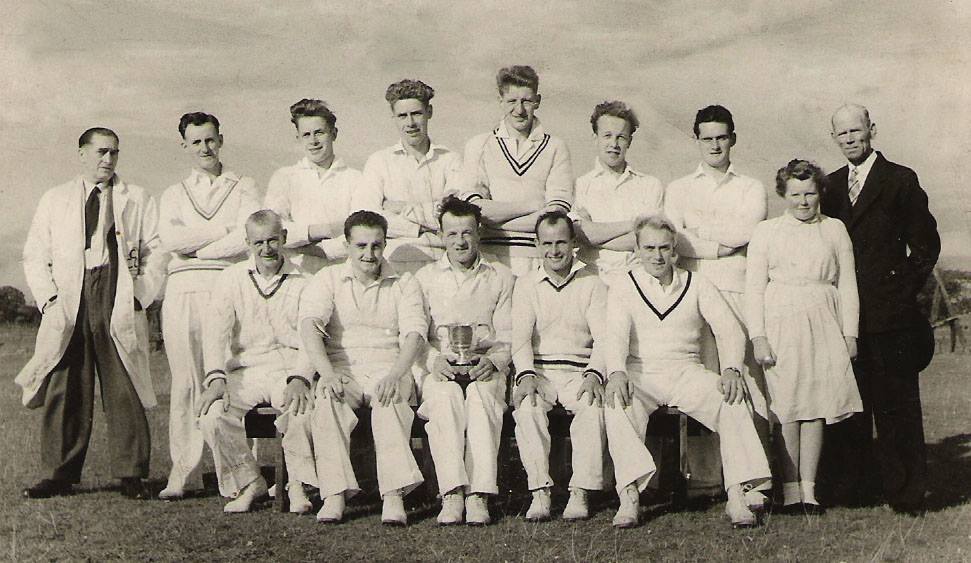
The Cricket club was able to purchase the field they used from Mrs Clark of West Cornforth in 1953, with the help of a loan from R.W.A. Heppell, the clubs President. Money was raised with things like jumble sales and a dance and was repaid in just over two years. The yearly danced continued for 15 years until popularity dwindled.
They won the Northern Echo and Despatch Cup in 1962 at Etherley, beating Lands. Coxhoe made 191, with Ted Simpson scoring 60, the highest of the match, Lands scored 97.
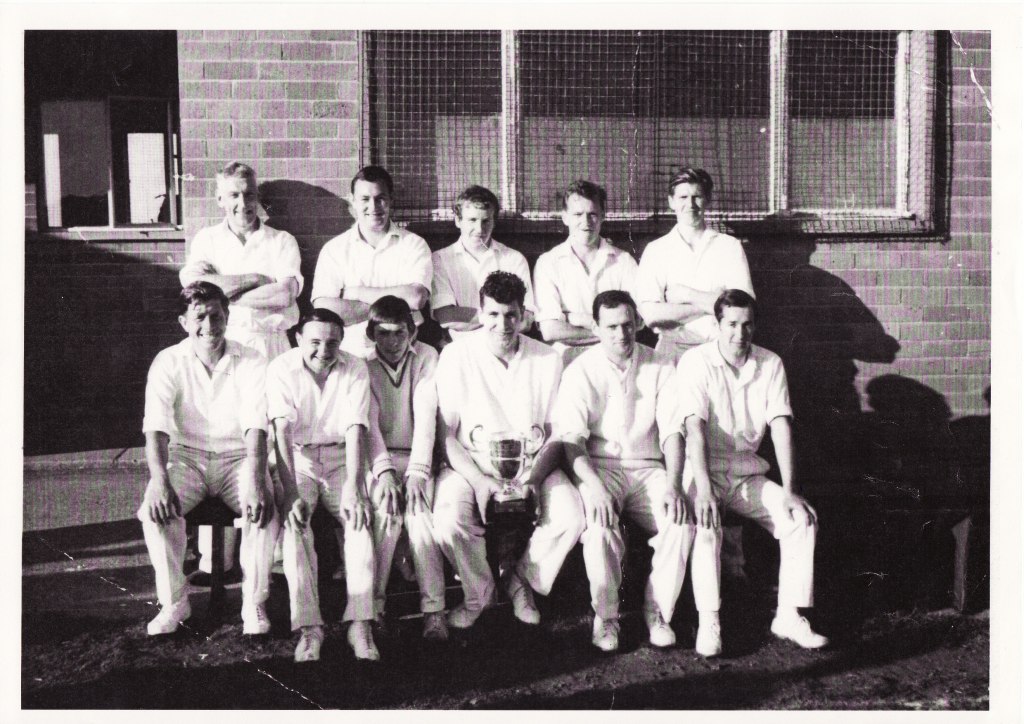
By 1967 they had won the Cup three times, Ted Simpson is remembered making 120 against Wolsingham, and Ronnie Taylor once made 99 when overs ran out.
The tearoom was bought from the golf Club in 1930, moved and re-erected by club members, who also donated a pound each, this was later repaid once finance was arranged. It was John Wood from Coxhoe Hall who performed the opening ceremony.


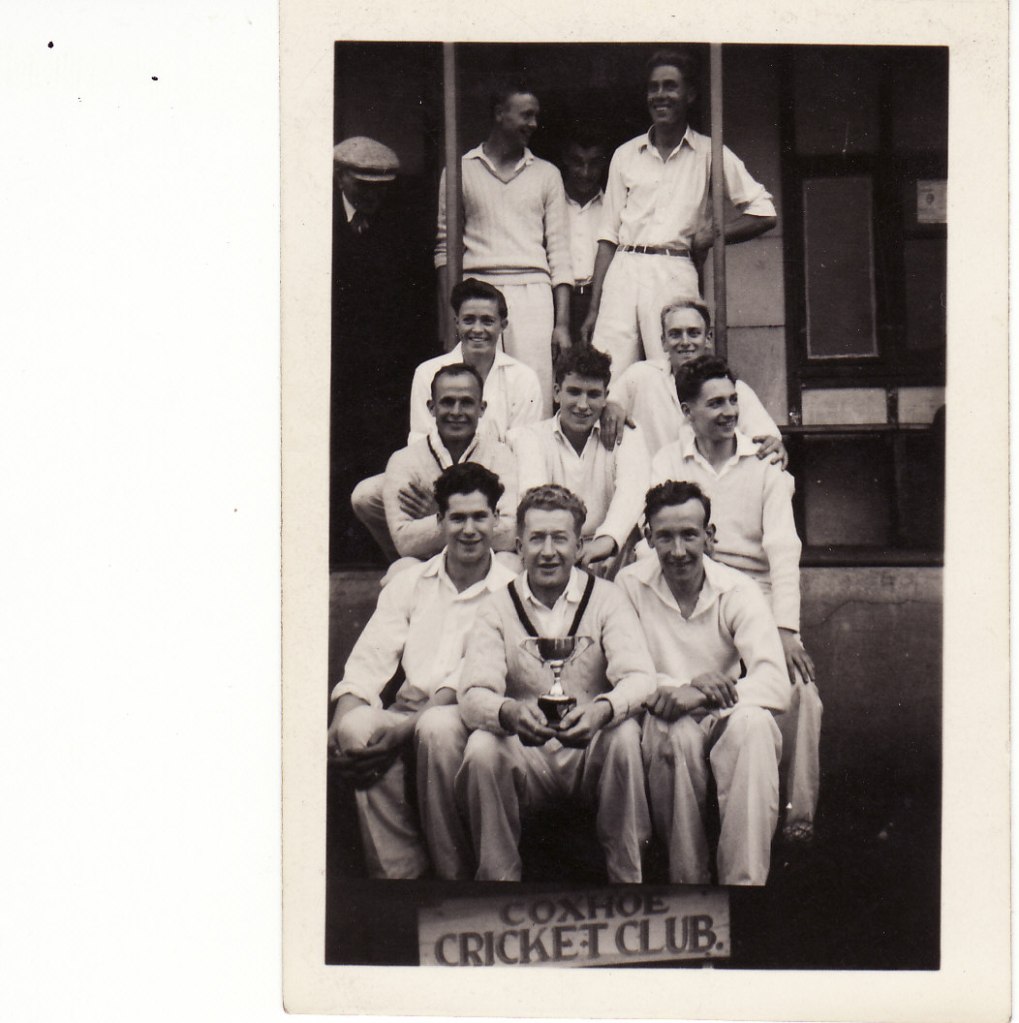



 Coxhoe Local History Group