
(Copyright Coxhoe Local History Group)
Changing Times….. Part Two. We explore how the history behind the amalgamation of the two branches of Methodism and its impact in Coxhoe.
There is no doubt that 1932 was a historical time in the life of British Methodism.
That year, the main branches of British Methodism in the United Kingdom were brought together to form the Methodist Church. In Coxhoe, Methodist Union was celebrated on Saturday 1st October, 1932, and the following two weeks, with special services in both the Primitive and Wesleyan Methodist Chapels. However, both chapels felt they still had much to offer the residents of Coxhoe and so, like many others in towns and villages throughout the country, they decided to retain their separate identities – but with the Primitive Methodist Chapel becoming Central Methodist Chapel, and the Wesleyan Chapel, St. John’s Methodist Church.
Nevertheless the period leading up to World War 2 shows a continually declining Methodist membership in the village. The movement of people away from the area contributed much to the decline. This was the Depression era, and it may be that people ceased to come to chapel because of poverty, or maybe those who left just lost interest.
At the same time, there is evidence that the two Chapels ( one in the Durham Circuit, the other in the Thornley Circuit) still did much good work, especially amongst young people through the Christian Endeavour, the Boy’s Brigade and the Sunday School. Dramatic events were performed for many years; and a lively Youth Club flourished in the forties and fifties, leaving its mark on the lives of many youngsters.
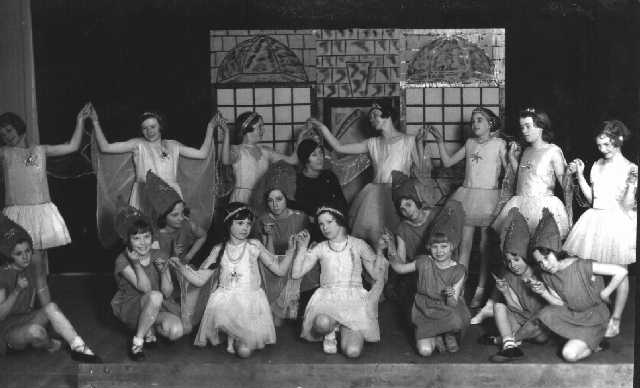
Throughout these decades, both Methodist Churches, altough keeping their separate identities and cultures, maintained friendly and co-operative relations with each other, and there were innumerable occasions when that friendship manifested itself in mutual support and joint activities. Nevertheless progress towards complete amalgamation was slow. A number of schemes were suggested for organic union – but were rejected as unsuitable.
A major breakthrough came in October, 1960, when the two Methodist Sunday Schools were amalgamated, along with all the rest of the youth work.
Finally, in 1964, after having for four years fully integrated their work amongst children and young people, the Methodist Churches in Coxhoe decided to join forces and establish a single united society – St.Andrew’s Methodist Church – in the Thornley Circuit. The former Central Methodist Church was sold off ( they became part of Gatenby’s Furniture Store) , and the income from this sale helped finance extensions and improvements to the former St. John’s premises. The two congregations formally became one in September 1964, meeting in the 1871 Wesleyan premises.
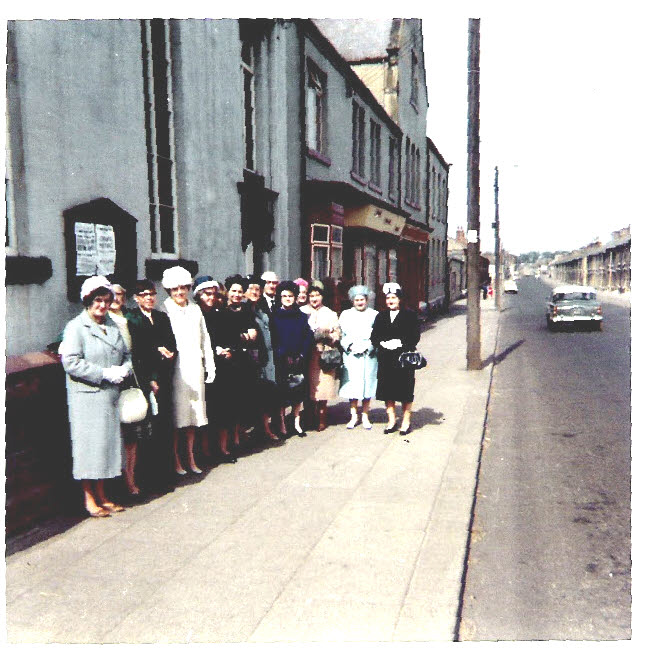
Description of the 1871 St Johns Chapel
“These premises consist of a rectangular two storey building, having a neo-classical facade to the street. Internally, there are balconies round the rear and two sides, a choir box at the front and fixed pews. When it was built in 1871, the Chapel boasted a massive pillared portico and ornamental front. Regrettably, this portico was removed on safety grounds during the 1950’s. Photographs taken in the early 1900’s show an impressive Victorian structure, with terracotta brickwork panels attractively contrasting with ivory brickwork piers. These ivory coloured piers formed arches over the windows. The brickwork gate pillars were extremely elaborate, and the patterned railings were shining examples of the art of Victorian craftsmen. Over the years both, both gate pillars and railings have been replaced. Unfortunately there are no photographs of the interior of the chapel as it used to be, and it has been extensively remodelled over the years. There are some attractive mouldings over the doors and windows in the porch, and the porch ceiling is quite decorative. In the church itself, there is moulding above the arch of the organ loft, but for the most part, the walls and ceilings are plain. The stained glass windows have been replaced with double glazed upvc units,”
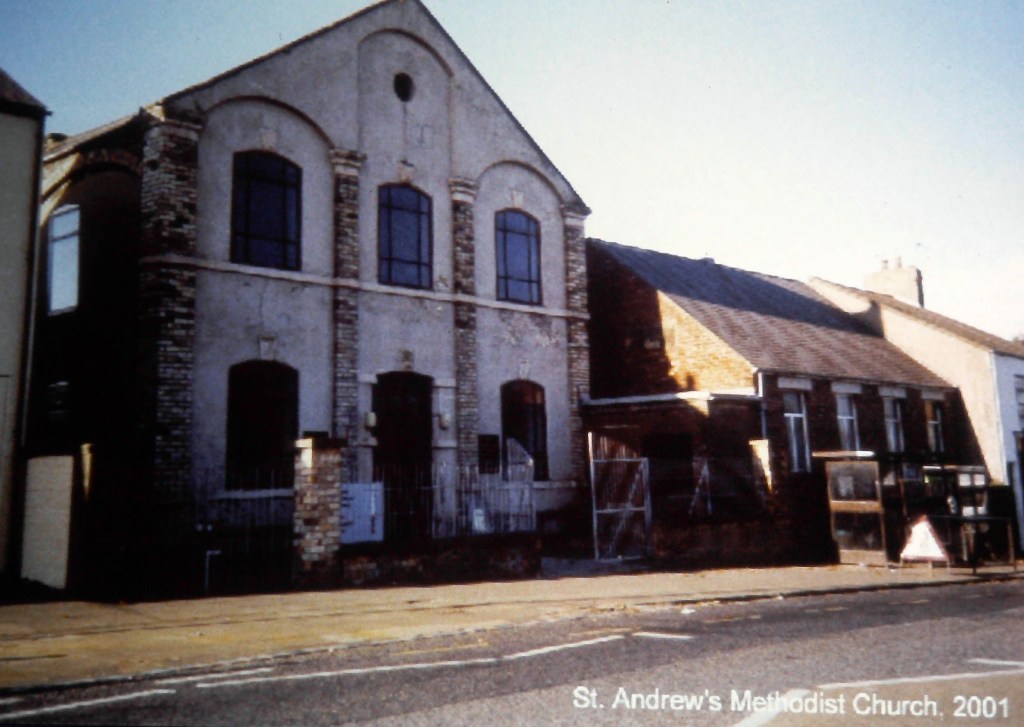
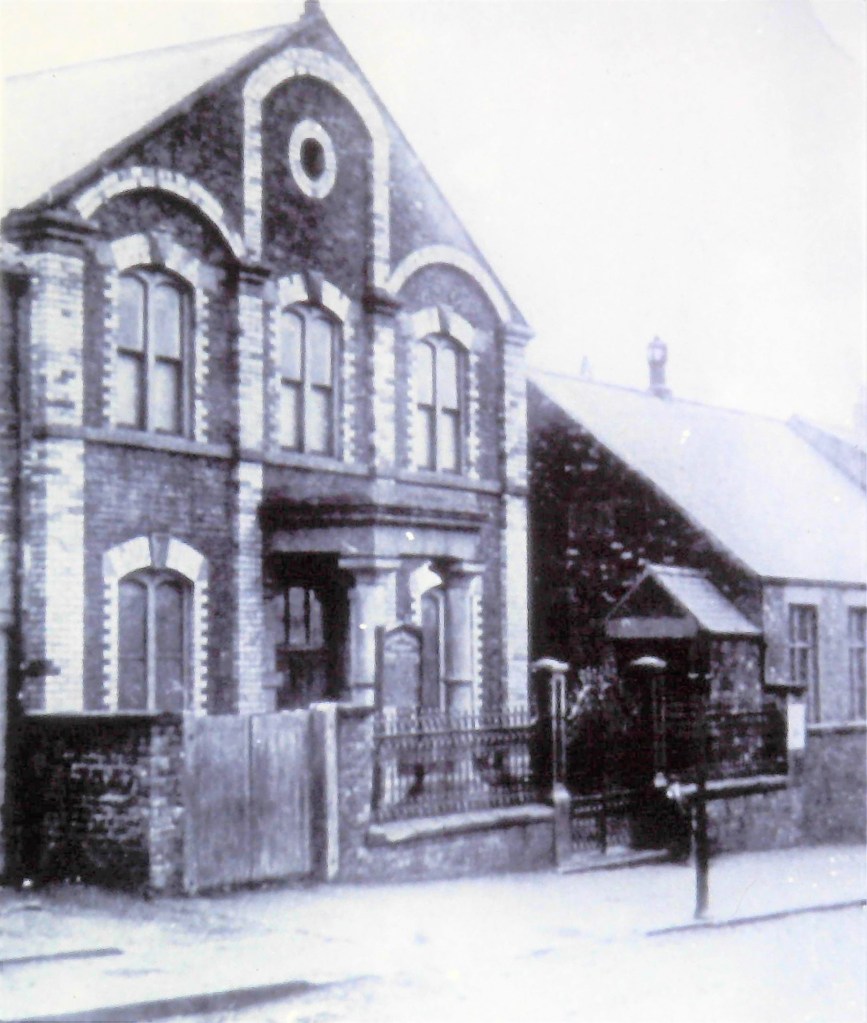
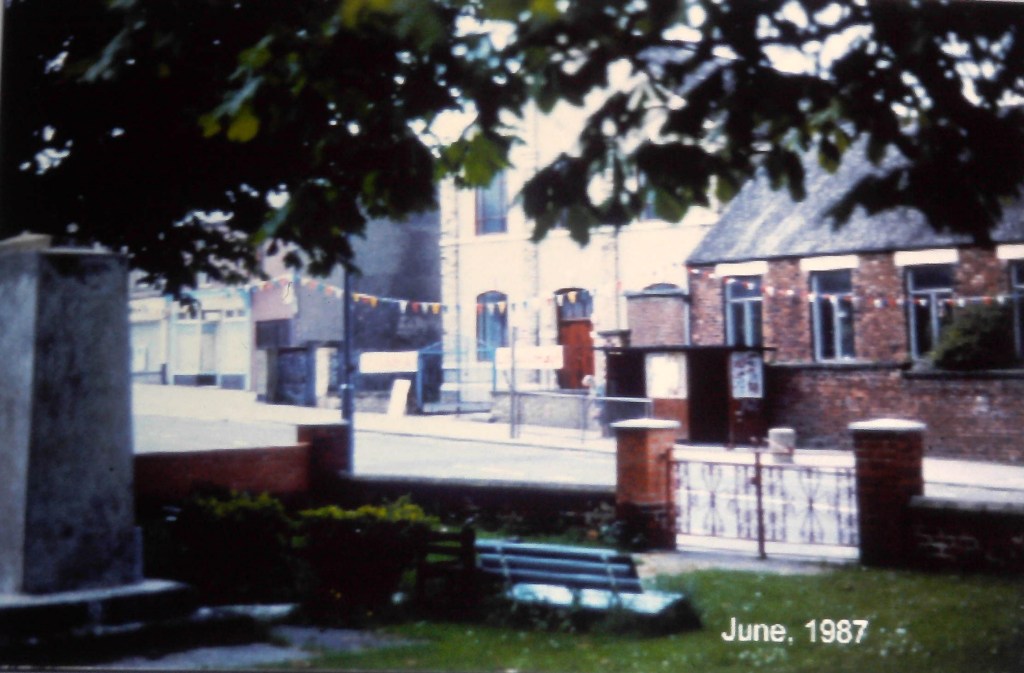
In recent years , the Church Council became concerned at the heavy costs of maintaining and repairing the premises. Although the ancillary buildings ( Kitchen, Hall, Classroom ) seemed to be in a generally satisfactory state of repair, the Council realised, that before long, the Church would be faced with the need for substantial and expensive repairs to the main worship area.
During late 1994, the whole of 1995 and into early 1996, a small committee met to research this problem and to investigate possible solutions. Throughout its deliberations, the committee realised that merely patching and repairing the premises would not be a satisfactory solution to the problems facing the church, so it examined the option of carrying out major structural changes to the premises. One idea, which seemed attractive, was that of retaining the existing ‘shell’ of the building, and adapting it with a new re-shaped roof, a large foyer, and removal of the gallery. This possibility was discussed informally with the Methodist Church’s Division of Property, but the Division advised that, for various reasons, adaptations on these lines would not secure approval. It was necessary to look at other options.
After further research, the special committee drew up criteria (seating capacity, size, frontage, height, shape, etc. ) for a worship area which they felt would be appropriate to the needs of Coxhoe. After evaluating these criteria, the committee recommended to the Church Council that a new building, incorporating these features, would be both achievable and affordable; and would assist in preparing Coxhoe Methodism for the new challenges of the 21st Century.
The Church Council supported this conclusion, and authorised the preparation of a design and estimated costs. By a substantial majority, the Church Council agreed to work towards the erection of a new worship area on the existing prime site in the centre of the village.
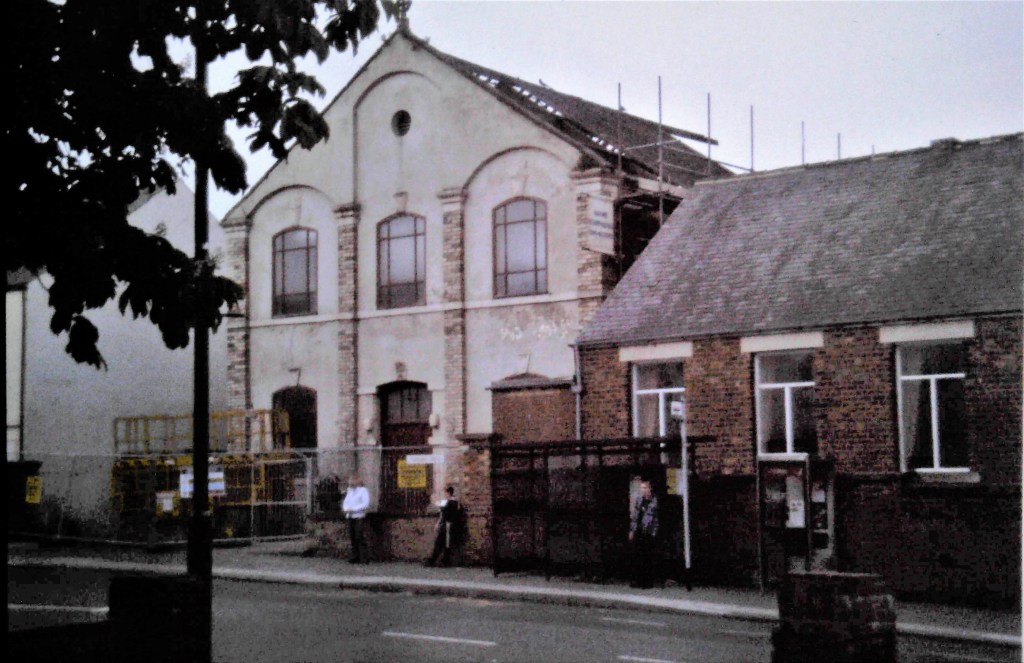
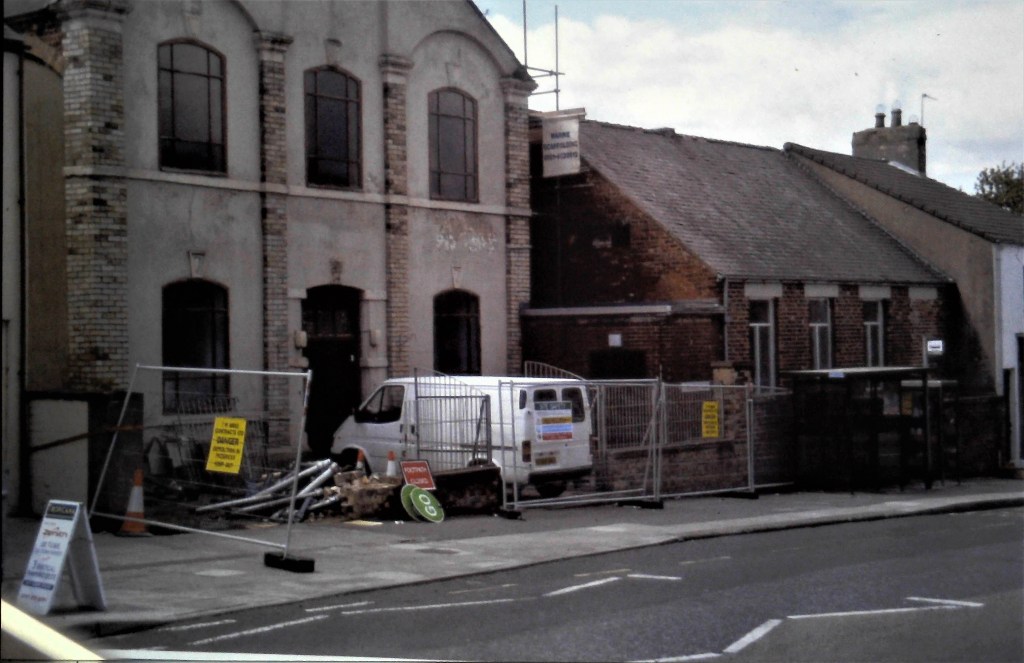
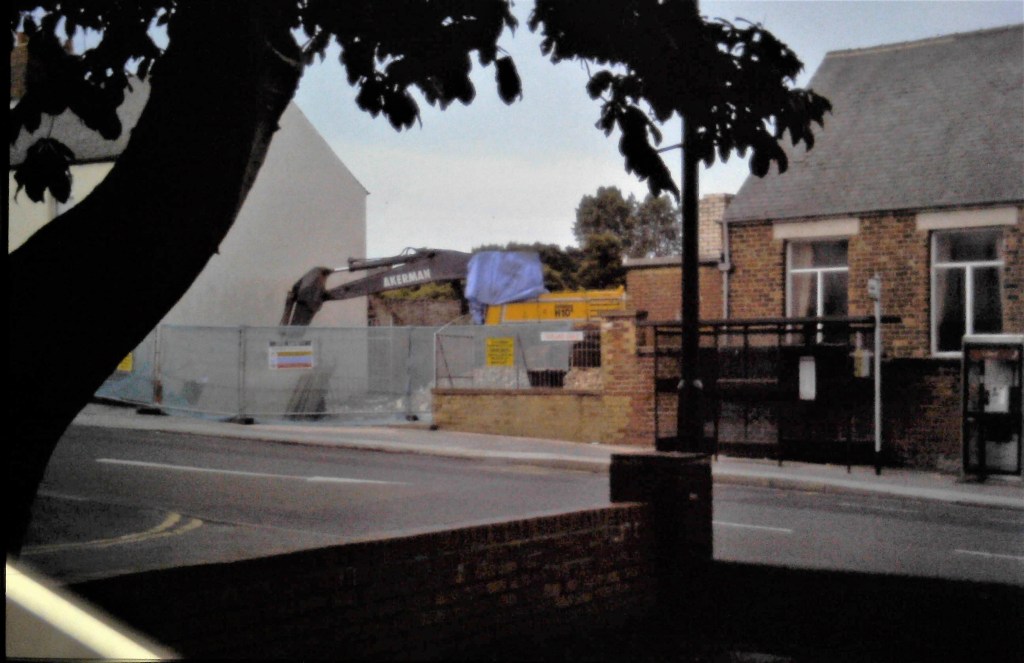
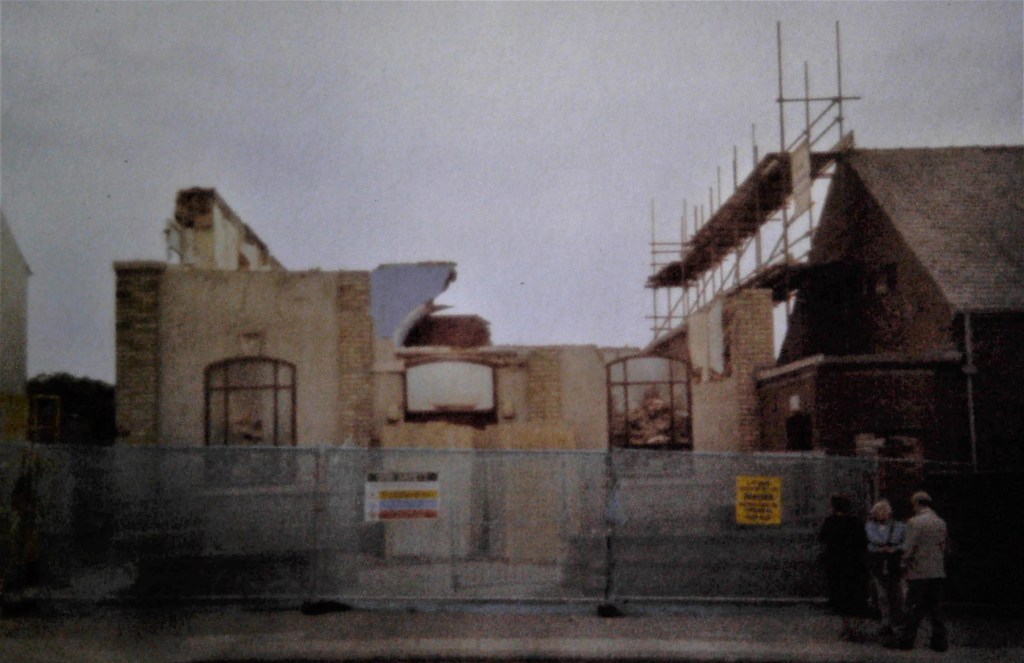
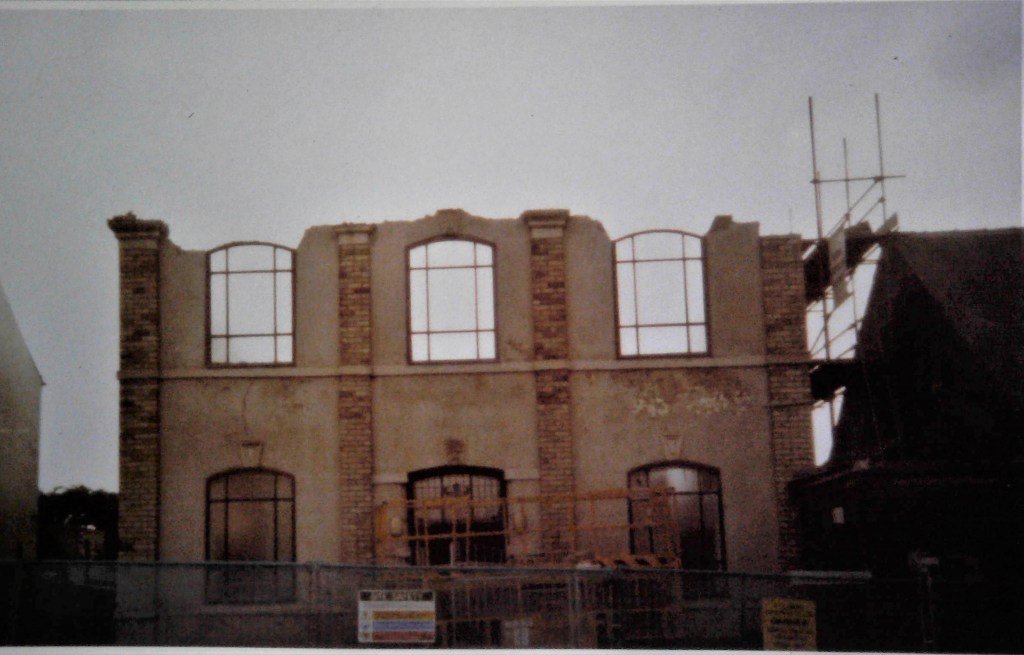
The new design envisaged a flexible layout for the worship area, with no communion rail, and a moveable pulpit. Comfortable seating for almost 100 people was also a design feature, with more space for those standing. Completely separate from the existing ancillary premises, the new worship area will incorporate its own vestry and toilets and unlike the 1871 building will allow access for those with disabilities. With the decision made members of the church set about raising funds to help build the new church, and with the decision taken to demolish and clear the site a final service of worship took place on January 12th 2003. The schoolroom attached to the chapel became the worship area during the period of rebuilding the new church.
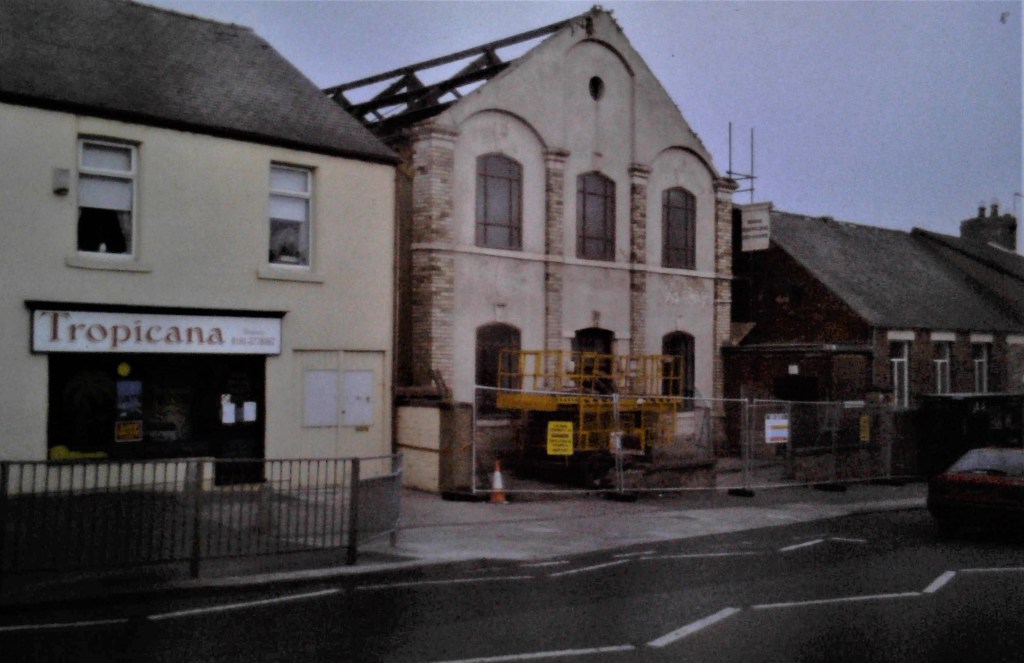
Demolition began in 2003 and after delays the new chapel opened its doors to its worshippers in 2008.
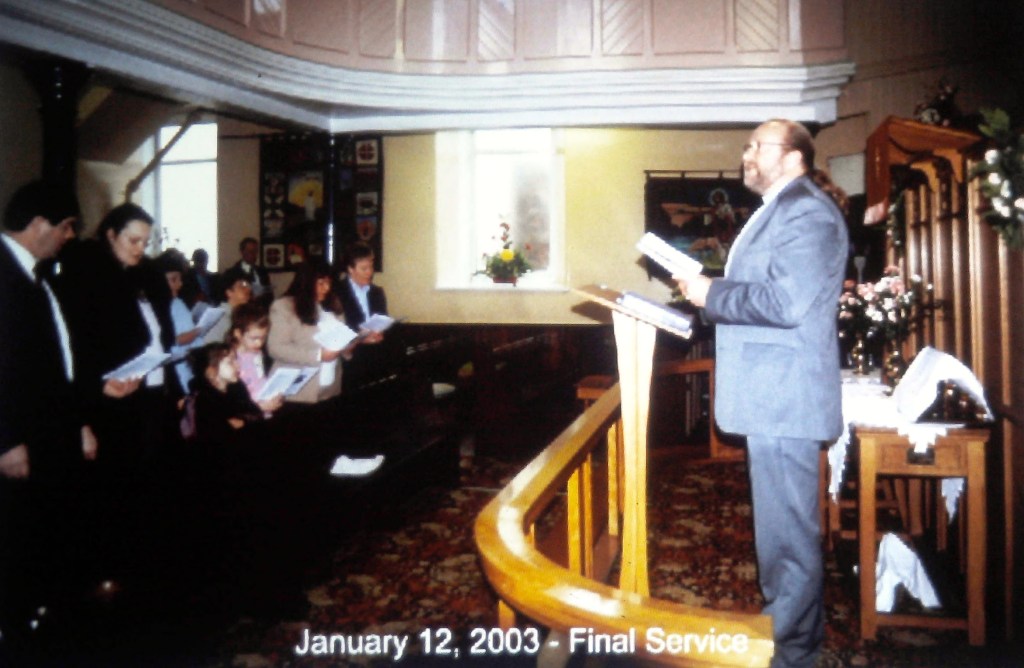

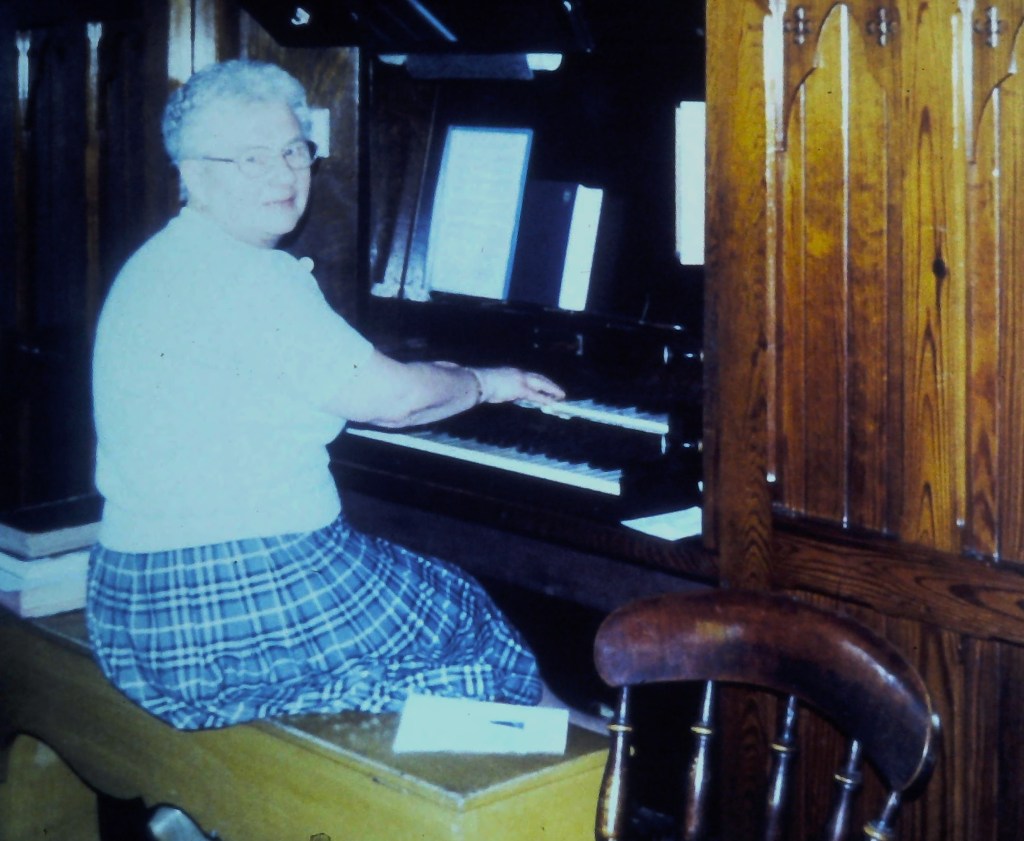
Gallery of Photographs showing demolition of St Andrew’s Methodist Chapel in 2003
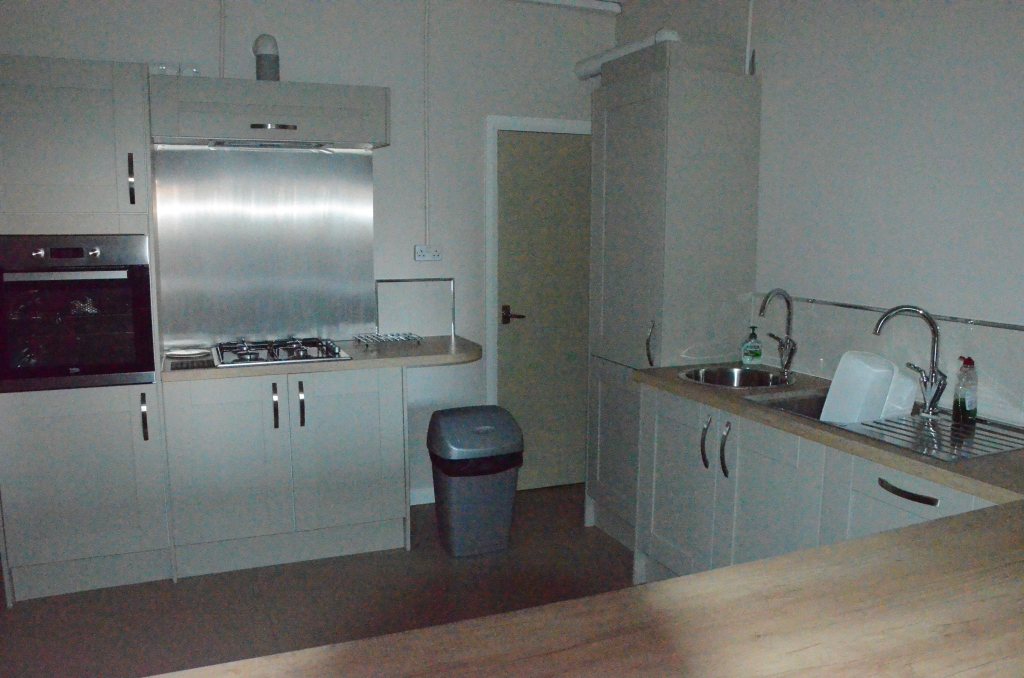
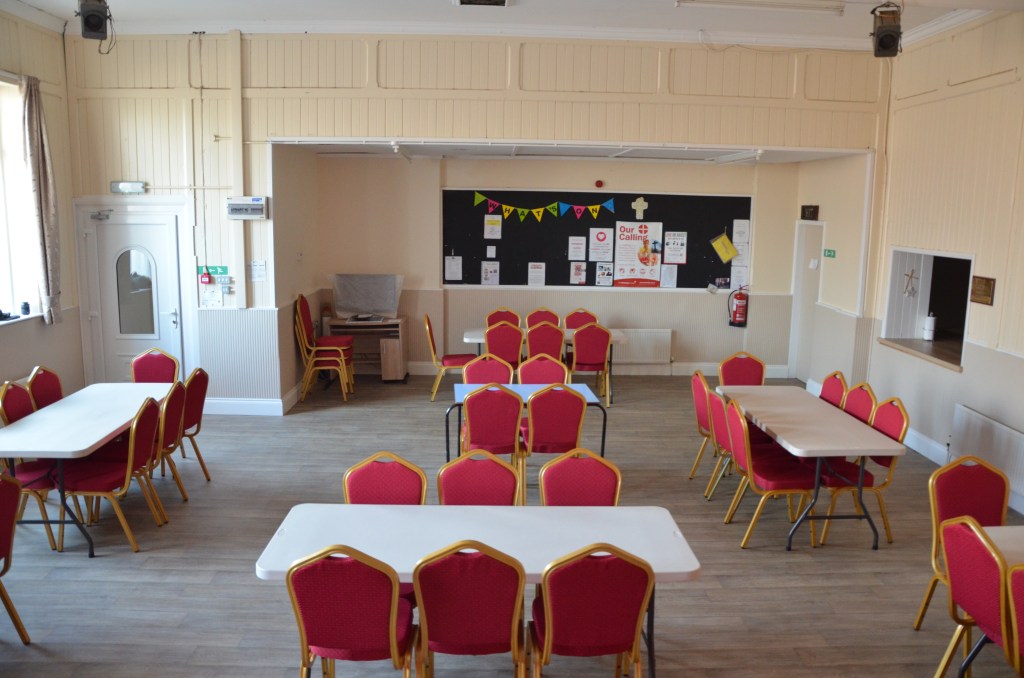
St Andrews Methodist Church today is a modern and welcoming worship space in which invites its community to participate. Community groups are embracing the welcome offered and making use of the space available to deliver a range of activities.
Coxhoe Local History Group are based in the Schoolroom along with a local Quilters and Crafters group, Rainbows and Brownie packs and a local musical duo who do all their rehearsing in the hall.
The church hold fortnightly coffee morning on a Saturday and has recently recommenced the periodic Saturday morning Shoppers Service, for those wishing to take advantage of a service of worship whilst out and about in the village
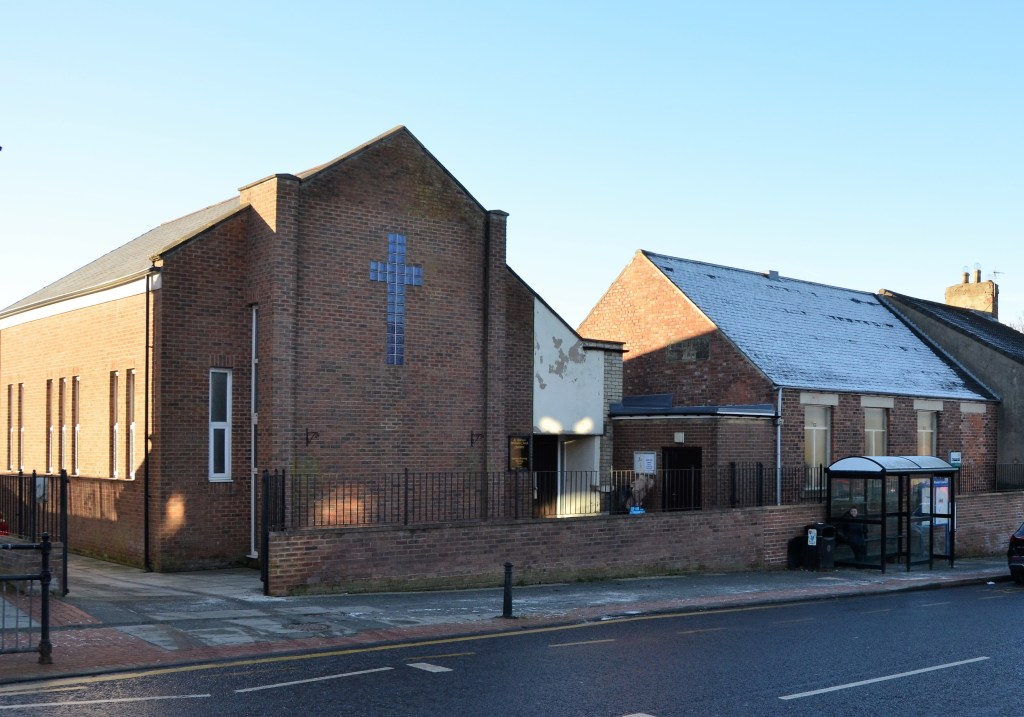
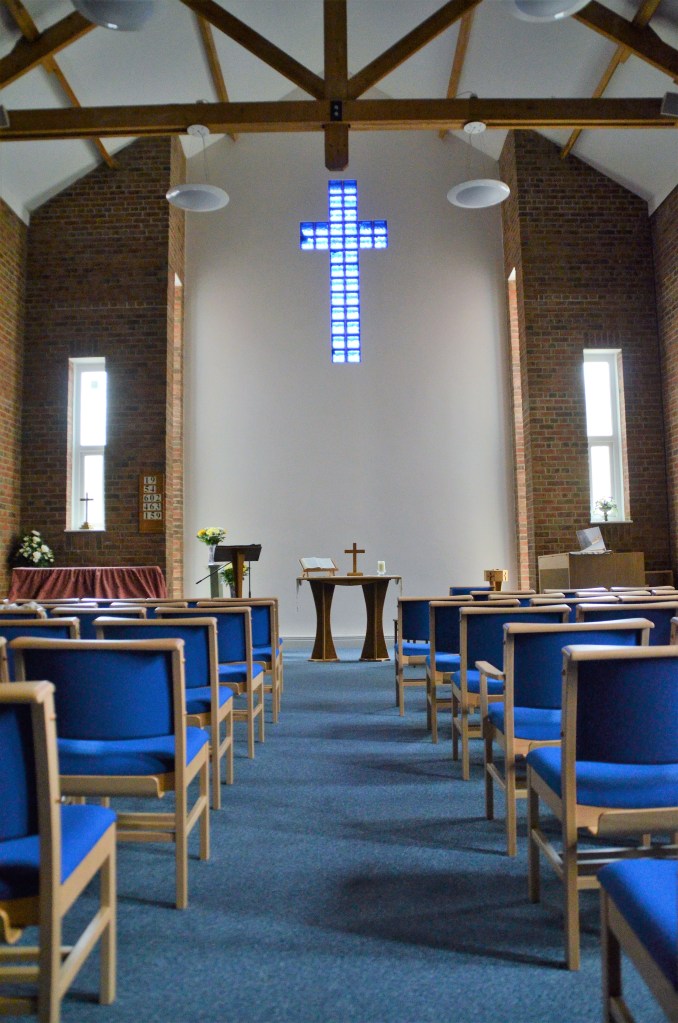
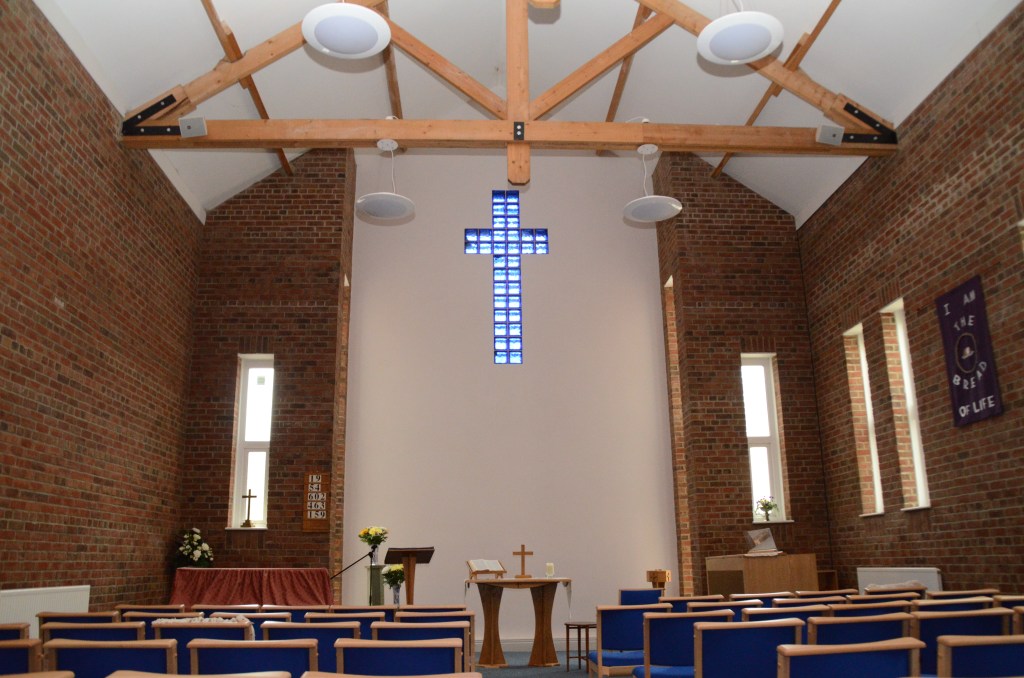

The future is bright!
The Methodist Church in Coxhoe. The Connexion
 Coxhoe Local History Group